#ChocolateMousseDay
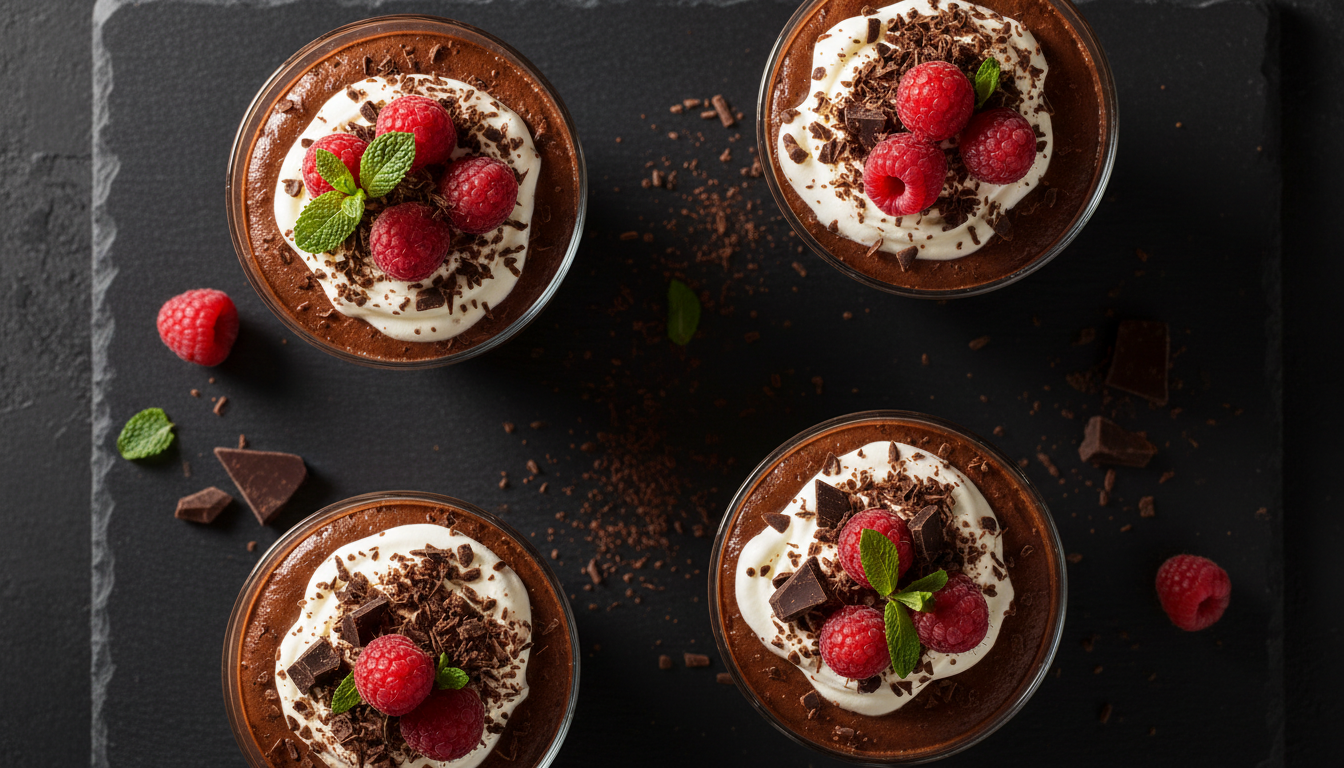
Celebrate National Chocolate Mousse day with a serving of this dreamy indulgence!
What Does #ChocolateMousseDay Mean?
National Chocolate Mousse Day on April 3rd honors this rich, airy French dessert that's been around since the 18th century. The word "mousse" means "foam" in French, which perfectly describes its light, whipped texture. It's one of those desserts that looks fancy but is surprisingly simple to make at home.
How to Use #ChocolateMousseDay
Share your chocolate mousse recipe, a photo of your creation, or a recommendation for where to get the best mousse in your area. Food bloggers can post step-by-step recipe content. Restaurants can promote their mousse desserts.
The Dessert That Fools You Into Thinking You Can Cook
National Chocolate Mousse Day on April 3rd celebrates a dessert that has spent three centuries convincing people it’s more complicated than it actually is. The word “mousse“ means “foam“ in French, which perfectly describes what you’re making: chocolate-flavored air, held together by the structural integrity of egg whites and heavy cream. It sounds fancy. It looks fancy. The reality is that you’re essentially whipping things together and putting them in the fridge.
The earliest known chocolate mousse recipes appear in French cookbooks from the mid-1700s, but the dessert didn’t arrive in America until the late 1800s, when a New York food exposition in 1892 introduced it to American audiences. It landed at exactly the right moment — the Gilded Age, when wealthy Americans were desperate for anything that sounded French and looked expensive. Chocolate mousse fit perfectly into that cultural moment, and it has maintained its reputation as a “sophisticated“ dessert ever since, despite requiring roughly the same skill level as making brownies from a box.
The Science of Why Mousse Works
What makes chocolate mousse texturally unique is its structure: a network of air bubbles suspended in a matrix of chocolate, fat, and protein. When you fold whipped egg whites or whipped cream into melted chocolate, you’re creating a foam — millions of tiny air pockets trapped inside a thin shell of protein and fat molecules. As the mousse chills, the cocoa butter in the chocolate solidifies just enough to hold this structure in place, but not so much that the mousse becomes dense. The result is something that melts on your tongue faster than almost any other food, releasing flavor instantly.
This is also why temperature matters so much. If your melted chocolate is too hot when you fold in the whipped components, you’ll deflate the air bubbles and end up with chocolate pudding (still delicious, but not mousse). If the chocolate is too cool, it’ll seize into clumps before you can incorporate it smoothly. The sweet spot is around 90-95°F — warm enough to stay fluid, cool enough not to murder your meringue. Professional pastry chefs obsess over this because the entire texture of the final product depends on getting this one step right.
The chocolate itself also matters more than most people realize. Higher cocoa percentage means more cocoa butter and more intense flavor but also a stiffer set. A mousse made with 70% dark chocolate will be denser and more intensely flavored than one made with milk chocolate. Most classic French recipes call for bittersweet chocolate in the 55-65% range — enough character to stand up to the richness of the cream without overpowering the airiness that makes mousse special.
Three Centuries of Arguments About the “Right“ Way
The French cooking world has been arguing about the correct mousse technique for longer than America has existed as a country. The two main camps: egg-based mousse and cream-based mousse. The traditional French approach uses raw egg yolks for richness and whipped egg whites for lift — no cream at all. This produces a lighter, more intensely chocolatey mousse, but modern food safety concerns about raw eggs have pushed many home cooks toward the cream-based version. American recipes almost always use heavy cream, which produces a richer, denser mousse with a more forgiving preparation process.
Then there’s the Julia Child approach, which essentially says “use everything.“ Her recipe from Mastering the Art of French Cooking calls for both egg yolks and whites, plus butter and a splash of coffee or rum. It’s decadent to the point of almost being absurd — four different fats (chocolate, butter, egg yolks, and the implicit fat in the whipped whites) all working together. But it works. The mousse is impossibly smooth, shockingly rich, and has become the benchmark that most American chocolate mousse recipes are measured against.
The modern twist is vegan chocolate mousse made with aquafaba — the liquid from a can of chickpeas. It sounds revolting. It works beautifully. Aquafaba whips into stiff peaks almost exactly like egg whites, and when folded into good dark chocolate (which is naturally vegan), it produces a mousse that’s nearly indistinguishable from the original. This discovery, popularized around 2015 by French musician Joël Roessel, is one of the most genuinely useful vegan baking innovations of the past decade.
How to Use #ChocolateMousseDay for Content
Food bloggers and recipe accounts: Post your mousse recipe with process shots. The visual transformation from melted chocolate and separated eggs to a fluffy, glossy mousse is inherently satisfying content. Film the folding process — people love watching batter come together. If you have a unique variation (salted caramel mousse, matcha white chocolate mousse, espresso mousse), today is the day to debut it. Short-form recipe videos consistently perform well because the format is proven and the audience is hungry for variations.
Bakeries, cafés, and restaurants: If you have mousse on your menu, photograph it properly and post it. Share the story behind your recipe, or show behind-the-scenes footage of your pastry team making it. Limited-time mousse specials or mousse flights (three flavors, small portions) give people a reason to visit. Use the hashtag to get in front of dessert-obsessed audiences who are actively looking for somewhere to satisfy the craving the day just put in their head.
Home cooking and kitchen accounts: Do a head-to-head comparison — classic French mousse vs. easy cream-based mousse vs. vegan aquafaba mousse. Rate them blind. Let your audience vote on which looks best. This kind of comparative content generates comments and saves because it answers the question people actually have: “which version should I try?“ Educational content about why mousse works (the science of foam structure, the importance of tempering chocolate) also performs well with food-nerd audiences.
Chocolate brands and specialty food companies: Use the day to position your chocolate as the ingredient that makes mousse exceptional. Show a professional pastry chef making mousse with your product. Post a pairing guide — which of your chocolates produces the best mousse, and what to pair it with (wine, coffee, fruit). Product-focused content feels natural on a day dedicated to a dish where the chocolate quality genuinely matters.
Hashtag Strategy
Lead with #ChocolateMousseDay and #NationalChocolateMousseDay as your primary tags. Add dessert-adjacent tags like #ChocolateLovers, #Dessert, #HomeBaking, #FrenchDessert, or #ChocolateObsessed for broader reach. Recipe content benefits from #RecipeOfTheDay, #EasyRecipe, #BakingFromScratch, or #FoodBlogger. For visual-first posts, use #FoodPhotography, #DessertPorn, #FoodStyling, or #ChefLife. If you’re doing restaurant or café content, add #Foodie, #EatLocal, or #DessertMenu.
Related Hashtags
Love food and dessert hashtags? Explore #NationalChocolateDay for all things chocolate, #ChocolatePuddingDay for another rich chocolate treat, or #CoffeeCakeDay for baking content with a different twist. Find the perfect hashtag for any occasion on our homepage.
Quick Info
-
Hashtag#ChocolateMousseDay
-
When to PostApril 3rd
-
Full GuideAvailable below
Related Hashtags
Find More Hashtags
Search across 830+ curated hashtags