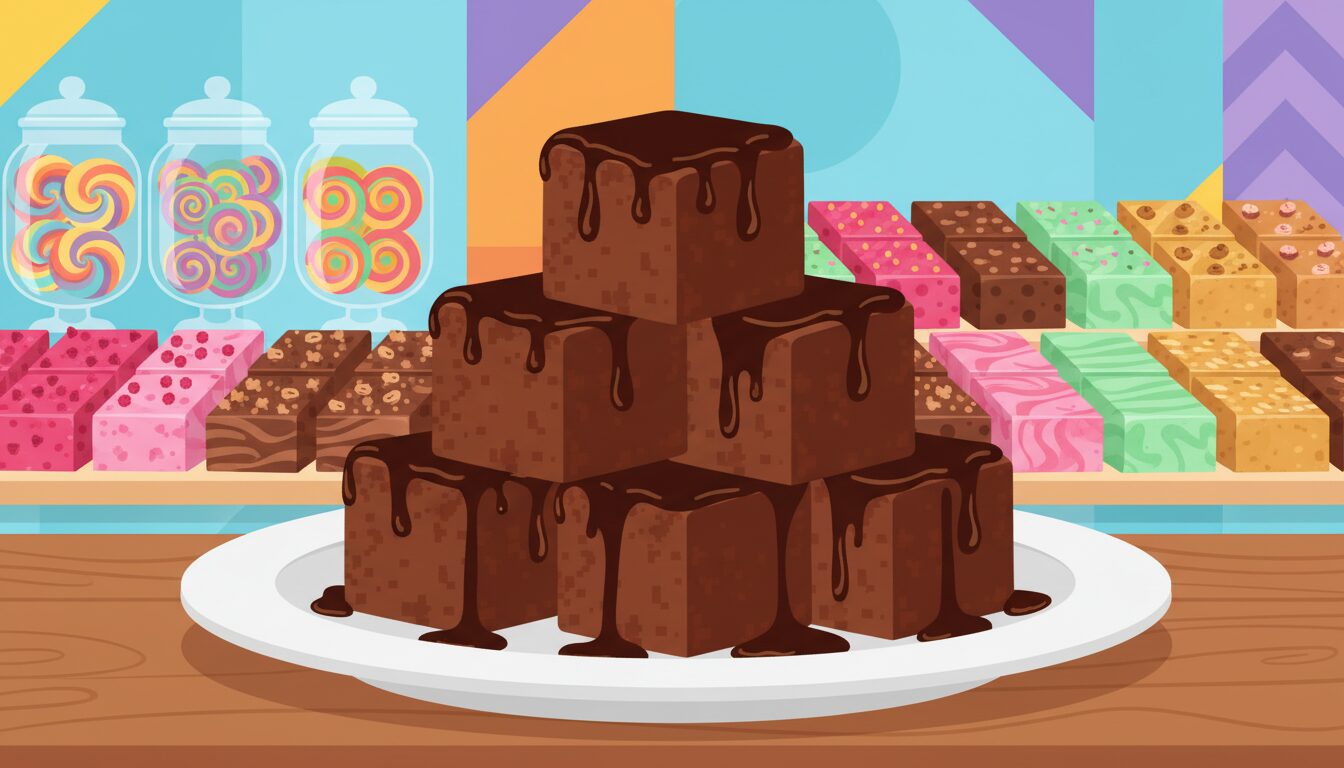
#FudgeDay
National Fudge Day; treats don't get much more decadent! Share your favorite type of fudge.
What Does #FudgeDay Mean?
National Fudge Day on June 16th celebrates one of the richest, most indulgent sweets around. Fudge has been a beloved confection since the late 1800s and comes in countless flavors beyond classic chocolate - think peanut butter, maple, and salted caramel.
How to Use #FudgeDay
Share your go-to fudge recipe or a photo of your favorite variety. Bakeries and candy shops should post their best fudge offerings with this tag.
The Sweet History of Fudge
Fudge has one of the most accidental origin stories in American confectionery. The most popular version goes like this: sometime around 1886, a candy maker in Baltimore botched a batch of caramels. Instead of tossing the mistake, they tasted it - and realized they had something better. The cook allegedly exclaimed "Oh, fudge!" and the name stuck. Whether or not that specific story is true, fudge as we know it really took off at women's colleges in the late 1880s and 1890s. Students at Vassar, Wellesley, and Smith would make batches in their dorm rooms using just sugar, butter, and milk heated in a pan over a gas lamp.
By the early 1900s, fudge shops were popping up in tourist destinations across the country. Mackinac Island in Michigan became the unofficial fudge capital of America - a title it still holds today with over a dozen fudge shops lining a single street. The island produces roughly 10,000 pounds of fudge per day during peak summer season.
What Makes Fudge Different From Other Candy
Fudge sits in a specific category of candy science. It is what confectioners call a crystalline candy, meaning its texture depends on the formation of tiny sugar crystals. The key is controlling crystal size. Heat sugar, butter, and cream to the soft-ball stage (around 234-240°F), then cool it and beat it at exactly the right moment. Beat too early and you get grainy fudge. Beat too late and it sets up in the pan before you can pour it. The ideal result is a smooth, creamy texture with crystals so small your tongue cannot detect them individually.
This is what separates fudge from caramels (which avoid crystallization entirely) and rock candy (which encourages large crystals). Temperature control matters more than any single ingredient. Professional fudge makers use marble slabs to cool their batches evenly, and the best shops still make it by hand rather than relying on machines.
Beyond Chocolate: Fudge Varieties Worth Trying
Classic chocolate fudge gets most of the attention, but the world of fudge extends far beyond cocoa. Peanut butter fudge uses a similar technique but swaps the chocolate for creamy or chunky peanut butter, creating something rich and salty-sweet. Maple fudge - popular in New England and Quebec - uses real maple syrup as the primary sweetener and has a distinctive amber color and earthy flavor. Divinity fudge, common in the American South, incorporates egg whites for a lighter, almost meringue-like texture.
Then there are the modern variations. Salted caramel fudge layers in buttery caramel with flaky sea salt. Cookie butter fudge uses Biscoff spread for a spiced, biscuit-like flavor. White chocolate cranberry fudge pairs tangy dried fruit with sweet white chocolate. Some shops now make matcha fudge, lavender honey fudge, and even bourbon pecan fudge. The basic technique stays the same - it is the flavorings and mix-ins that create the variety.
Tips for Making Fudge at Home
If you are making fudge for the first time, a candy thermometer is not optional - it is essential. The difference between perfect fudge and a sticky mess comes down to a few degrees. Use a heavy-bottomed saucepan to distribute heat evenly, and do not stir the mixture while it is boiling. Stirring introduces crystals too early and creates a grainy texture.
Once the mixture reaches soft-ball stage, remove it from heat and let it cool to about 110°F without touching it. Then beat it vigorously with a wooden spoon until it loses its gloss and thickens. Pour it into a buttered pan immediately - you will have maybe 30 seconds before it sets. Humidity matters too. Fudge made on a rainy day often will not set properly because sugar absorbs moisture from the air. Pick a dry day if you can.
How to Use #FudgeDay on Social Media
Strategy Cards
- For food bloggers: Post a step-by-step fudge recipe with process photos. Show the soft-ball test and the moment it thickens. Use #FudgeDay #NationalFudgeDay #HomemadeCandy #FudgeRecipe
- For bakeries and candy shops: Showcase your fudge selection with a flat-lay photo. Offer a limited-time flavor for the holiday. Use #FudgeDay #NationalFudgeDay #HandmadeFudge #ShopLocal
- For general accounts: Share your favorite fudge memory or post a poll asking followers to pick between chocolate, peanut butter, or maple. Use #FudgeDay #NationalFudgeDay #SweetTooth
- For brands: Run a giveaway featuring a fudge sampler box. Partner with a local fudge maker for cross-promotion. Use #FudgeDay #NationalFudgeDay #FoodGiveaway