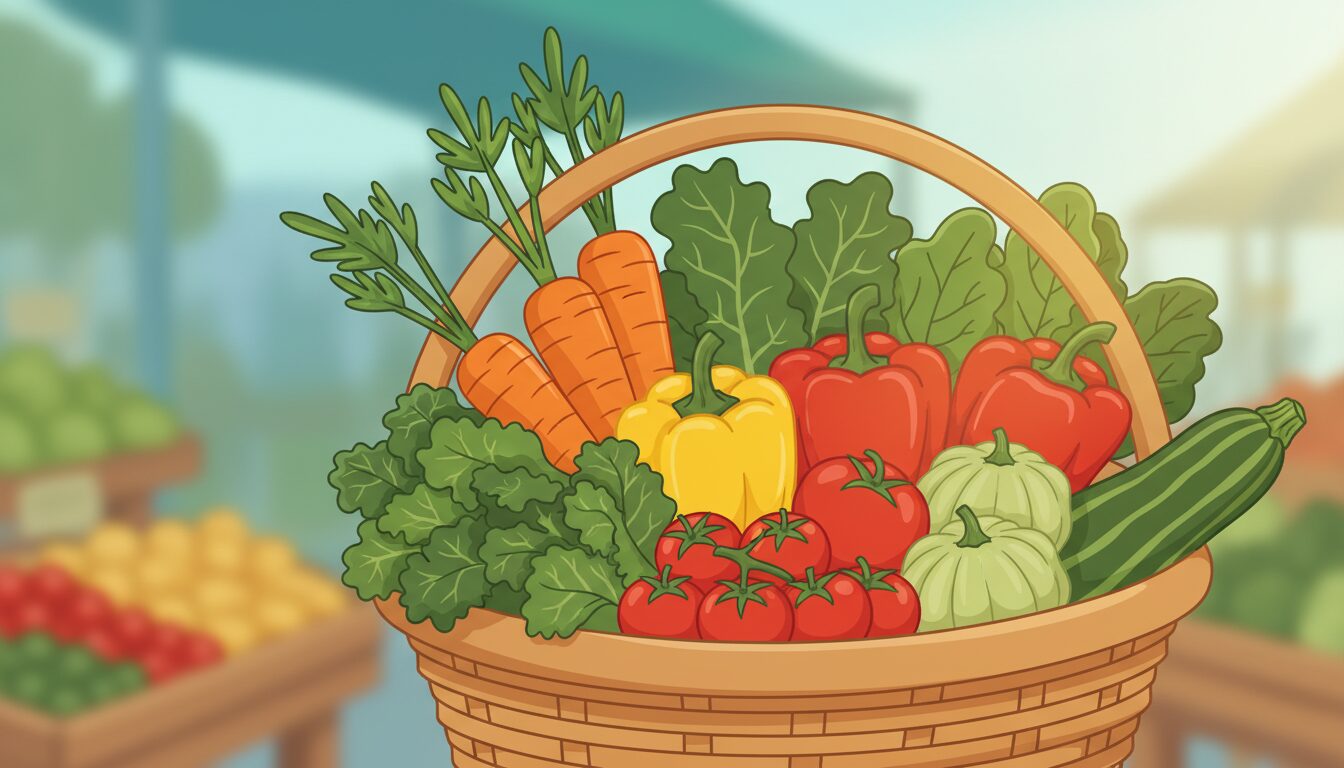
#FreshVeggieDay
Center your meals today around fresh veggies and see how great you feel!
What Does #FreshVeggieDay Mean?
Fresh Veggie Day on June 16th is all about celebrating the crisp, colorful produce that makes meals better. Whether you grow your own or grab them at a farmers market, this day puts the spotlight on eating vegetables at their peak freshness.
How to Use #FreshVeggieDay
Show off your garden haul, farmers market finds, or a dish packed with fresh vegetables. Tag local farms or markets for extra reach.
Fresh Veggie Day: Why Peak-Season Produce Changes Everything
There is a noticeable difference between a tomato picked in January - pale, mealy, bred to survive a cross-country truck ride - and one pulled off the vine in July, still warm from the sun, so ripe it splits if you squeeze it. Fresh Veggie Day on June 16 is about celebrating that difference. It falls right when summer produce is hitting its stride in most of North America, which makes the timing perfect.
This is not a lecture about eating your greens. It is a reminder that vegetables at their freshest are genuinely delicious - the kind of food you actually look forward to eating, not the kind you choke down because someone told you to.
What "Fresh" Actually Means (and Why It Matters)
The average supermarket vegetable in the United States travels about 1,500 miles before reaching the shelf. Depending on the item, it might be 5 to 14 days old by the time you buy it. That matters because vegetables start losing nutrients the moment they are harvested. Spinach can lose up to 90% of its vitamin C within 24 hours of picking if not stored properly. Green beans lose about 77% of their vitamin C after seven days of refrigeration.
Fresh, locally-grown produce is not just a foodie preference - there is measurable nutritional science behind it. A 2004 study published in the Journal of the American College of Nutrition compared USDA nutrient data from 1950 and 1999 and found "reliable declines" in protein, calcium, phosphorus, iron, riboflavin, and ascorbic acid across 43 garden crops. The primary culprit was the shift toward varieties bred for yield and appearance rather than nutrient density.
Buying from farmers markets or growing your own closes that gap. When vegetables go from soil to plate the same day, you are eating them at their nutritional peak.
The Economics of Eating Seasonally
Seasonal produce is almost always cheaper than out-of-season alternatives. When local farms are harvesting zucchini by the bushel in July, prices drop because supply exceeds demand. That same zucchini in December costs more because it is being shipped from Mexico or heated greenhouses.
The USDA estimates that Americans waste about 30-40% of the food supply, and fresh produce is one of the biggest contributors. Buying seasonal vegetables helps reduce this waste cycle because the produce lasts longer (it is fresher when you get it) and you are more likely to use it when you bought it with a specific meal in mind rather than out of vague nutritional guilt.
Community Supported Agriculture (CSA) programs take this further. You pay a farmer upfront at the start of the season and receive a weekly box of whatever is being harvested. It forces you to cook with what is available, which is how most humans ate for thousands of years before supermarkets made every vegetable available year-round.
Growing Your Own: Easier Than You Think
You do not need a backyard farm to participate. Some of the most productive vegetables grow well in containers on a balcony or patio. Lettuce, herbs, cherry tomatoes, peppers, and radishes all thrive in pots with decent sunlight and regular watering.
Radishes are the gateway crop - they germinate in 3-5 days and are ready to harvest in about 25 days. If you have never grown anything before, start with radishes. The fast feedback loop is encouraging, and they are almost impossible to mess up.
Herbs are the highest return-on-investment crop for home growers. A single basil plant produces enough leaves to replace dozens of those expensive plastic clamshells from the grocery store. Same goes for parsley, cilantro, mint, and rosemary.
Five Vegetables Worth Seeking Out at Peak Season
Sweet corn (July-August): Truly fresh sweet corn, cooked within hours of picking, tastes nothing like the ears that have been sitting in a grocery store bin. The sugars start converting to starch immediately after harvest. Local farm stands are your best bet.
Heirloom tomatoes (July-September): Supermarket tomatoes are typically Flavr Savr or similar varieties bred for shelf life. Heirloom varieties - Brandywine, Cherokee Purple, Green Zebra - prioritize flavor. They bruise easily and do not last long, which is exactly why they taste so good.
Sugar snap peas (May-June): Eat them raw, straight off the plant. They are sweet, crunchy, and addictive. Kids tend to love them because they taste like candy compared to most vegetables.
Zucchini (June-August): Famously productive - one plant can produce 6-10 pounds per season. Pick them small (6-8 inches) for the best flavor and texture. The monsters that gardeners leave on your doorstep are actually past their prime.
Bell peppers (July-September): Green peppers are just unripe red, yellow, or orange peppers. The colored varieties have more vitamins and taste sweeter. They need warm temperatures and a longer growing season, which is why they are most abundant in late summer.
How to Use #FreshVeggieDay on Social Media
Strategy Cards
For Food and Recipe Accounts: Share a recipe that highlights one vegetable at its seasonal best. Keep it simple - the point is that fresh produce does not need much. A ripe tomato with salt, olive oil, and good bread is a complete post. Use #FreshVeggieDay alongside #SeasonalEating and #FarmToTable.
For Gardening Accounts: Show what you are harvesting right now. Before-and-after posts (seed packet vs. basket of produce) perform well. Share your easiest-to-grow recommendation for beginners. Tag #FreshVeggieDay and #GrowYourOwn.
For Health and Wellness Creators: Skip the lecture format. Instead, share one specific nutritional fact that surprises people - like the spinach vitamin C stat above. Pair it with a photo of a colorful plate. Nobody engages with "eat more vegetables" but they will engage with "your spinach lost 90% of its vitamins before you bought it."
For Farmers Markets and Local Farms: This is your day. Post what is in season right now, where to find you, and what is coming next week. Use location tags aggressively. People searching #FreshVeggieDay near your area should find you.
Timing: Post on June 16. Lunchtime posts work well for food content - people are thinking about what to eat. Pair with a farmers market visit or cooking story for maximum engagement.