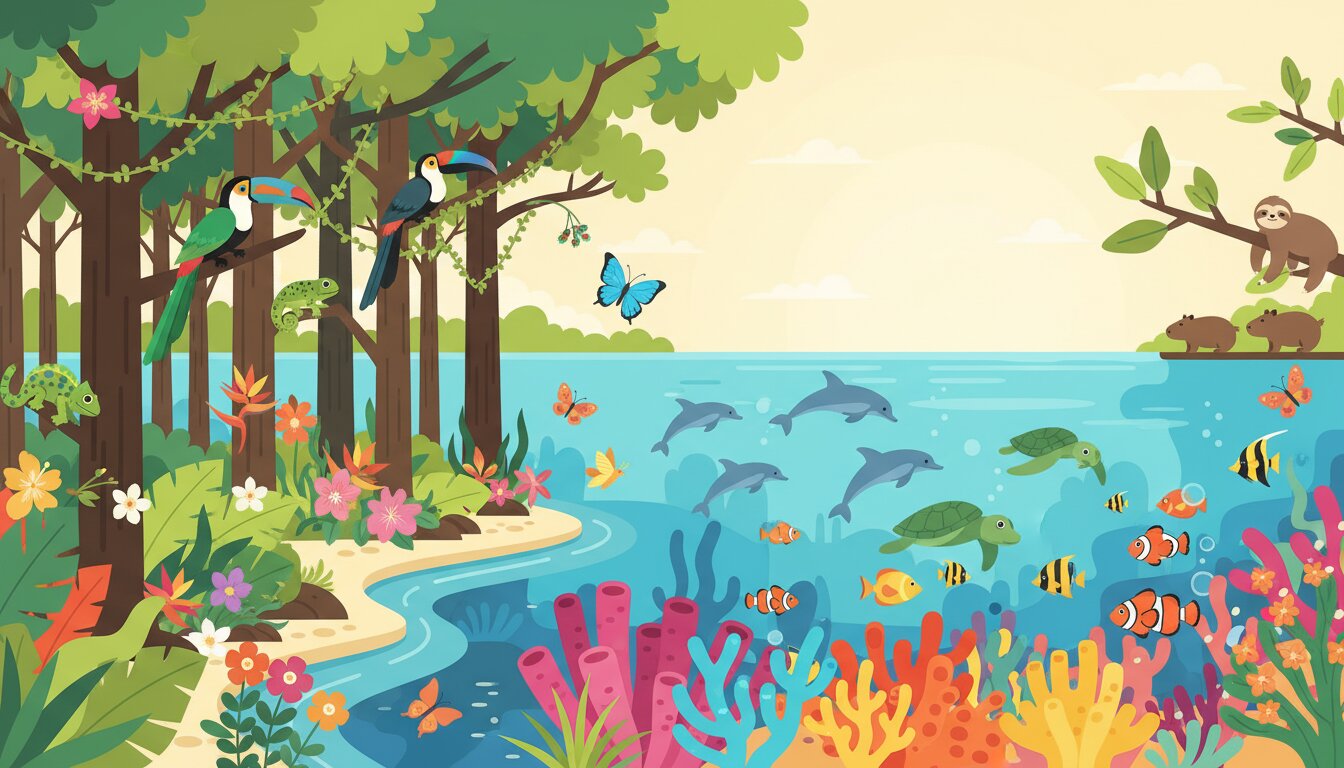
What Is International Day for Biological Diversity?
Every May 22nd, the United Nations calls the world's attention to biodiversity - the staggering variety of life forms that share this planet. From the bacteria in a handful of soil to the blue whales cruising the deep ocean, biological diversity is the foundation that holds every ecosystem together. When it starts to unravel, everything from food production to clean water supply to disease resistance weakens with it.
The numbers tell a sobering story. Scientists estimate that roughly one million plant and animal species face extinction, many within decades. Habitat destruction, pollution, climate change, and invasive species are driving losses at a rate not seen since the dinosaurs disappeared 66 million years ago. International Biodiversity Day exists to make sure these facts do not stay buried in academic journals - they need to show up in feeds, timelines, and conversations.
The Hashtags and How They Work
Biodiversity Day comes with a cluster of related hashtags, each serving a slightly different purpose:
- #BiodiversityDay - The most widely used tag, picked up by media outlets and environmental organizations worldwide
- #BiologicalDiversity - More formal, often used in scientific and policy-oriented posts
- #IDB / #IDBD - Abbreviated versions common on character-limited platforms
- #InternationalDayForBiologicalDiversity - The full official name, used by UN accounts and government agencies
For maximum visibility, use 2-3 of these together and pair them with niche tags relevant to your specific angle - things like #WildlifeConservation, #ProtectOurPlanet, #EndangeredSpecies, or #Rewilding.
Content Ideas That Drive Engagement
Biodiversity content works best when it makes the abstract feel personal. "One million species face extinction" is a headline. "The monarch butterfly population has dropped 80% since the 1990s" is a story people care about. Here are approaches that consistently perform well:
Local biodiversity walks. You do not need to travel to the Amazon to create compelling content. Document the species in your backyard, local park, or nearest body of water. A photo series titled "12 species I found within one mile of my house" is both educational and shareable.
Before-and-after habitat stories. Show what a restored wetland, replanted forest, or protected reef looks like compared to its degraded state. Restoration success stories provide hope, which drives shares more effectively than doom.
Species spotlight posts. Pick one endangered or unusual species and tell its story in depth. Include what threatens it, what is being done to help, and what individuals can do. These posts tend to generate strong comment sections as people share their own encounters with the species.
The food connection. Most people do not realize that 75% of global food crops rely on animal pollinators, or that wild crop relatives are essential for developing disease-resistant food varieties. Connecting biodiversity to dinner is one of the fastest ways to make people care.
Who Should Post on Biodiversity Day
Environmental nonprofits - This is your Super Bowl. Share impact reports, launch campaigns, or release new research. The hashtag traffic on May 22nd gives you built-in amplification.
Outdoor and travel brands - Connect your products or destinations to the ecosystems they depend on. A hiking boot company talking about trail conservation feels authentic. A travel agency highlighting eco-tourism destinations adds value.
Agriculture and food companies - Talk about pollinator-friendly farming, seed diversity, or sustainable sourcing. Consumers increasingly want to know that their food choices support biodiversity rather than undermine it.
Educators and science communicators - Break down complex ecology concepts for general audiences. Infographics about food webs, ecosystem services, or extinction rates perform exceptionally well on this day.
Local governments and parks departments - Highlight the biodiversity in your community. City parks, urban gardens, and municipal water systems all have biodiversity stories worth telling.
Platform-Specific Tips
On Instagram, nature photography dominates - but carousels with facts and calls to action drive more saves and shares than standalone images. On X, thread formats work well for walking through a specific conservation issue step by step. LinkedIn is where corporate sustainability commitments and ESG-related biodiversity content finds its audience.
TikTok and YouTube Shorts are where biodiversity content has the most untapped potential. Short videos showing unusual animal behavior, surprising ecological facts, or simple actions people can take to help (planting native species, reducing pesticide use, supporting conservation groups) consistently go viral when they hit the right emotional note.
Actions That Back Up the Hashtag
The strongest Biodiversity Day posts include a concrete call to action. Give people something specific to do:
- Plant native wildflowers or grasses in your yard instead of ornamental species
- Download a species identification app like iNaturalist and contribute observations to citizen science
- Support a local land trust or conservation organization
- Reduce or eliminate pesticide use on your property
- Choose sustainably sourced seafood, coffee, chocolate, and palm oil products
- Advocate for protected areas and wildlife corridors in your community
Posts that pair awareness with action consistently outperform those that only raise the alarm. People want to feel empowered, not helpless - and Biodiversity Day is the perfect moment to show them that individual choices genuinely matter.