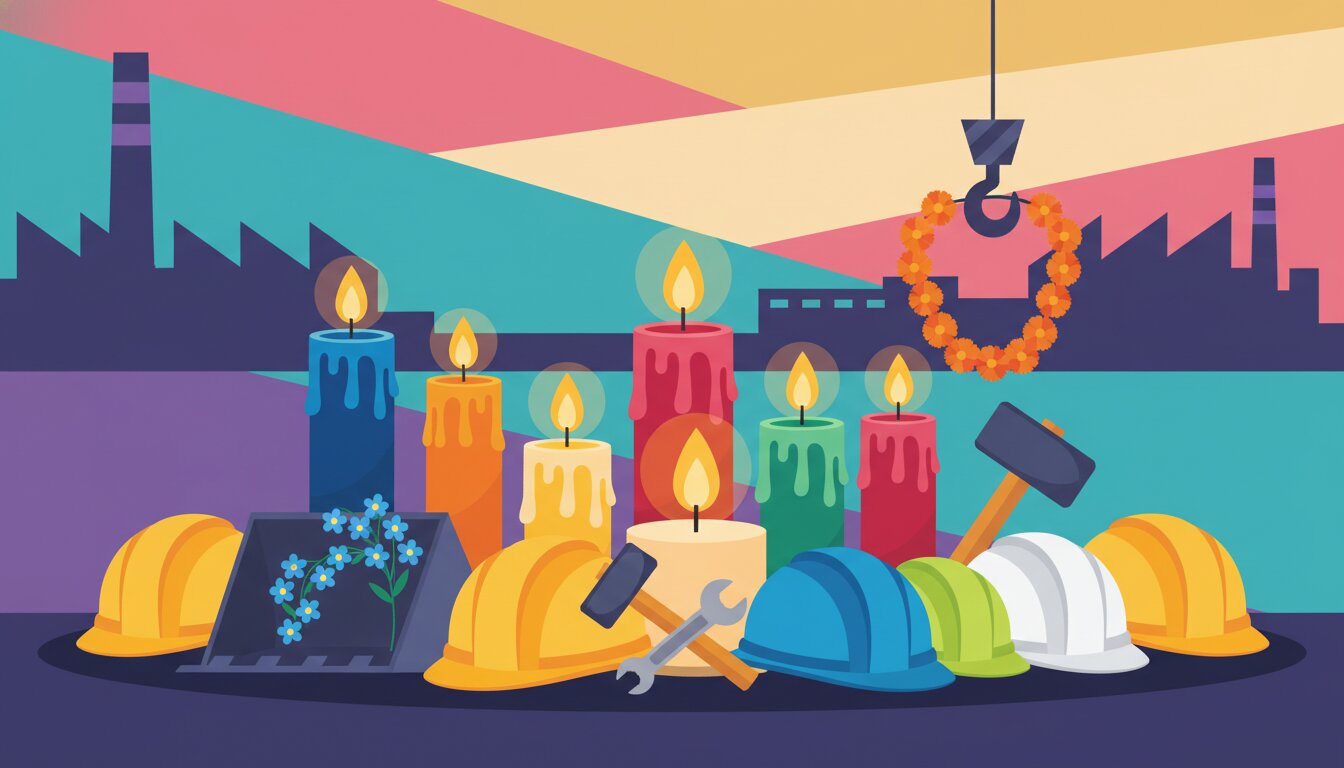
International Workers' Memorial Day on April 28 honors workers who have lost their lives, been injured, or become ill because of their jobs. It is a day of remembrance and a call for better workplace safety worldwide. On social media, this hashtag carries weight - and using it well means balancing awareness with respect.
The Origins of Workers' Memorial Day
The day was established by the international trade union movement in 1996, though its roots go back further. April 28 was chosen because it marks the anniversary of the Occupational Safety and Health Act taking effect in the United States in 1971. Canada had already recognized the date since 1984 as a day of mourning for workers.
Today, over 100 countries observe the day. Trade unions, labor organizations, and safety advocates hold vigils, marches, and educational events. The International Labour Organization estimates that roughly 2.78 million workers die each year from work-related accidents and diseases - a staggering number that underscores why this day matters.
Using #WorkersMemorialDay on Social Media
This is not a hashtag for jokes or casual content. People use #InternationalWorkersMemorialDay, #IWMD, and #WorkersMemorialDay to share stories of loss, push for policy change, and educate the public about workplace hazards. Your content should match that tone.
That said, there is room for brands and organizations to participate meaningfully. Companies that prioritize worker safety can share what they are doing. Media outlets can spotlight industries with the highest risks. Nonprofits can amplify their mission. The key is sincerity - people can tell when a brand is co-opting a memorial for marketing.
Content Ideas for #IWMD
- Share statistics: Data about workplace fatalities and injuries grabs attention and educates. Pair numbers with context so they land with impact.
- Spotlight high-risk industries: Construction, mining, agriculture, and manufacturing have some of the highest fatality rates. Highlight the workers behind the numbers.
- Tell a story: Personal narratives resonate more than abstract stats. If you can share a real story (with permission), it will connect deeply.
- Highlight safety wins: Share examples of companies or countries that improved safety standards and the lives saved as a result.
- Support organizations: Link to labor rights groups, safety training programs, or memorial funds. Give your audience a way to take action.
- Historical context: Share the history of workplace safety - from Triangle Shirtwaist Factory fire to modern regulations. Show how far we have come and how far we still need to go.
Platform Strategy
LinkedIn: This is the strongest platform for this topic. Professionals, HR leaders, safety officers, and union representatives are all active here. Share thoughtful posts about your company's safety practices or industry-wide challenges.
X (Twitter): Short, impactful statements work best. Share a stat, a quote from a worker, or a call to action. Retweet labor organizations and safety advocates to amplify their message.
Instagram: Use powerful imagery - memorial photos, candlelight vigils, or infographics about workplace safety. Stories with swipe-up links to safety resources perform well.
Facebook: Longer-form posts about personal stories or organizational efforts to improve safety. Community groups focused on specific industries are good places to share.
What to Avoid
Do not turn this into a promotional opportunity. Posting "Happy Workers' Memorial Day!" with a product photo will backfire. Avoid making it about your brand unless you have genuine safety initiatives to share. Do not use overly cheerful language - this is a memorial, not a celebration.
Stay away from political arguments in the comments unless you are prepared to engage thoughtfully. Workplace safety can be politically charged, but the core message - that no one should die doing their job - is something most people agree on.
Making Your Post Matter
The best content for Workers' Memorial Day is honest and human. Acknowledge the people behind the numbers. If your organization has improved its safety record, share the journey - including the failures. If you are an individual, share what workplace safety means to you. And if you are not sure what to post, sometimes a simple "We remember" with the hashtag is enough.