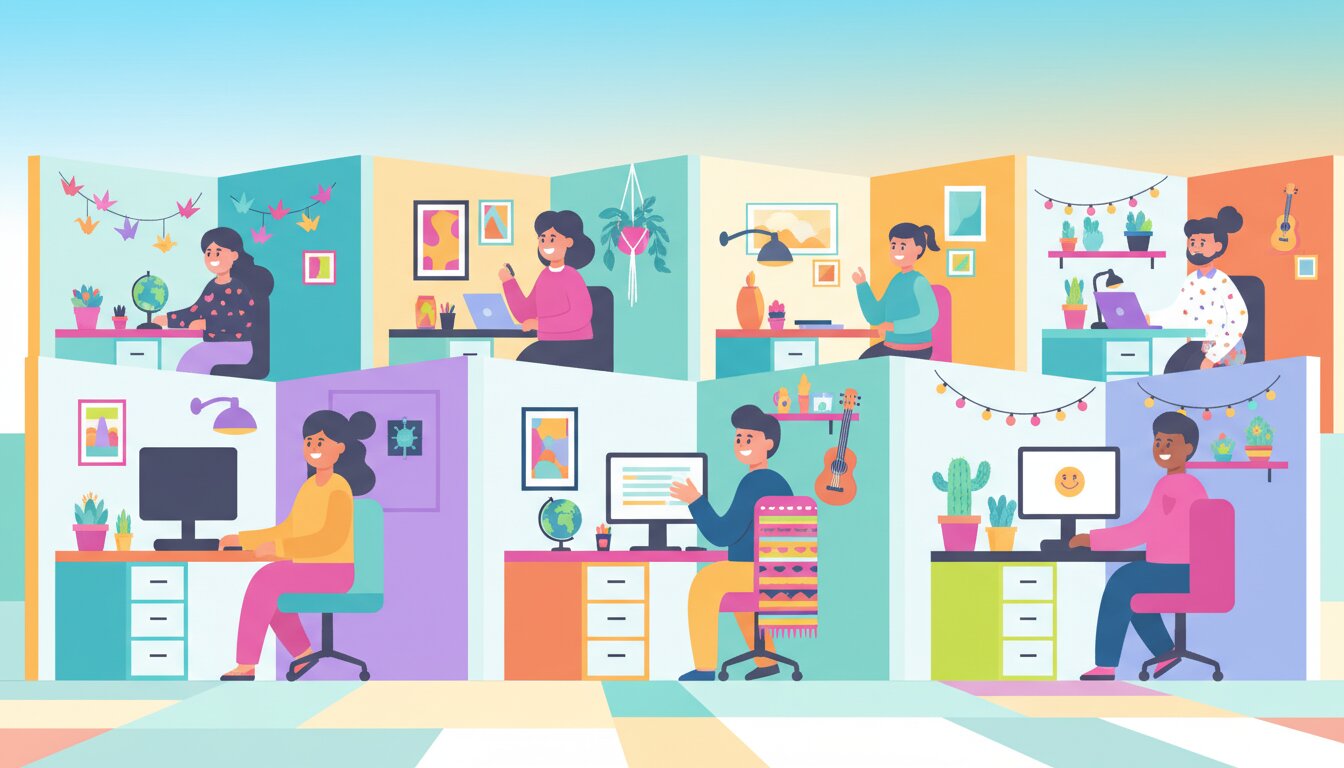
National Cubicle Day falls on April 28, a day dedicated to the workspace that has defined modern office life for over five decades. Whether you see your cubicle as a productivity fortress or a padded box, this day encourages you to make it your own - and social media loves it.
The History Behind the Cubicle
Robert Propst designed the first cubicle in 1967 for Herman Miller, calling it the "Action Office." The original idea was actually progressive - give workers personal space with flexibility and privacy in an open-plan environment. Somewhere along the way, companies discovered they could cram more cubicles into less space, and the soul-crushing rows of gray fabric walls were born.
By the 1990s, cubicles were everywhere. Movies like Office Space and TV shows like The Office turned cubicle culture into comedy gold. Today, many offices have shifted to open floor plans or hybrid models, but the cubicle still holds its ground in countless workplaces around the world.
Why #CubicleDay Works on Social Media
This hashtag hits a sweet spot between humor and relatability. Almost everyone who has worked in an office has a cubicle story - the neighbor who clips their nails, the person who decorates for every holiday, or the quiet rebellion of sneaking in a space heater.
Brands and content creators can tap into shared experiences that resonate with a huge audience. Office supply companies, HR platforms, coworking spaces, and furniture brands all have a natural tie-in. But even if your brand has nothing to do with offices, the humor angle gives you an easy entry point.
Content Ideas for #NationalCubicleDay
- Cubicle makeover challenge: Post a before-and-after of a workspace transformation. These perform well as carousel posts or short-form videos.
- Best cubicle setups: Ask your audience to share their desk setup. User-generated content drives engagement and gives you easy reposts.
- Office humor: Memes about cubicle life, passive-aggressive sticky notes, and shared kitchen drama. Keep it light and relatable.
- Throwback content: Show what cubicles looked like in the 70s, 80s, and 90s compared to today. The visual contrast gets shares.
- Product tie-ins: If you sell anything related to work - desk accessories, coffee, snacks, software, headphones - this is your moment.
- Remote work angle: Compare the cubicle to the home office. "Would you go back?" polls generate strong engagement.
Platform Strategy
Instagram and TikTok: Visual content wins here. Desk tours, makeover reels, and "day in the life" videos in a cubicle setting all perform well. Use both #CubicleDay and #NationalCubicleDay for maximum reach.
X (Twitter): Short, funny observations about cubicle life. Quote tweets and threads about office culture get picked up. Keep the tone casual and conversational.
LinkedIn: This one is a natural fit. Post about workplace culture, office design trends, or the evolution of workspaces. LinkedIn users love nostalgia content tied to professional life.
Facebook: Share a poll or discussion question. "What was your worst cubicle neighbor habit?" will fill your comments section fast.
Timing and Posting Tips
Post early in the morning on April 28 to catch people scrolling before work. A second post around lunch break can catch the midday crowd. For stories and reels, post throughout the day as people share their own cubicle content.
Pair #CubicleDay with related hashtags like #OfficeLife, #WorkFromOffice, #DeskSetup, and #OfficeCulture. If your post is funny, throw in #OfficeHumor. For professional platforms, add #WorkplaceDesign or #EmployeeExperience.
Making It Count
National Cubicle Day is one of those niche holidays that punches above its weight on social media. It is specific enough to feel fresh but universal enough that millions of people relate to it. The key is authenticity - share real stories, real setups, and real reactions. Skip the stock photos of smiling people in perfect cubicles. Show the messy desk, the weird decorations, the coffee-stained keyboard. That is what gets engagement.