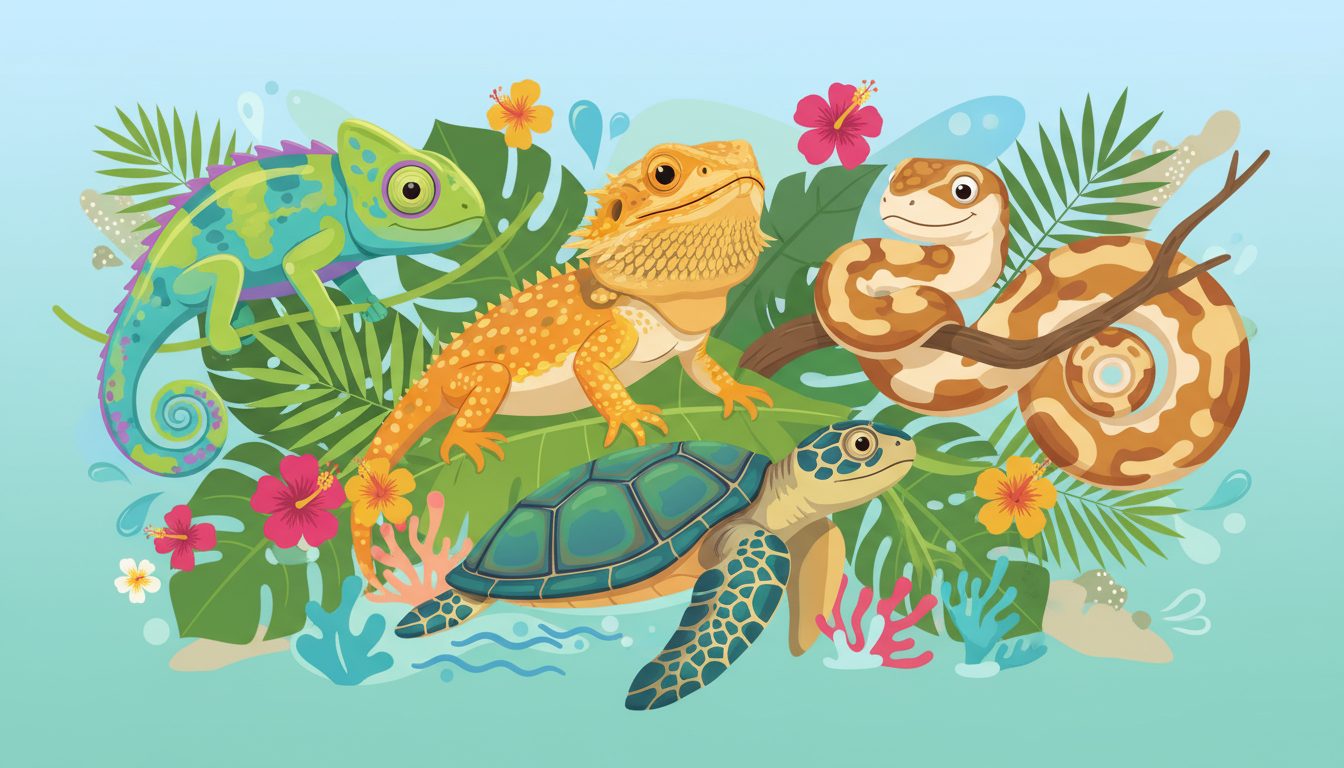
#ReptileAwarenessDay
Celebrate reptile awareness by helping to dispel rumors about these fantastic creatures. They make great pets!
What Does #ReptileAwarenessDay Mean?
Reptile Awareness Day in October is dedicated to educating people about reptiles and clearing up common misconceptions. From snakes and lizards to turtles and geckos, these cold-blooded creatures play a vital role in ecosystems worldwide. The day encourages appreciation over fear.
How to Use #ReptileAwarenessDay
Share a photo of your pet reptile or a cool reptile fact most people would not know. Zoos and pet stores can highlight their scaly residents, and nature lovers can post about wild reptile encounters.
Cold-Blooded Creatures, Warm Public Opinion
Reptiles get a bad reputation. Snakes are "scary," lizards are "creepy," and alligators are something you only think about when a Florida news headline goes viral. Reptile Awareness Day on October 21 exists to push back against all of that. It is a day dedicated to education, appreciation, and reminding people that these animals are far more interesting than they are frightening.
There are over 10,000 known reptile species on the planet, and they have been around for roughly 300 million years. That means reptiles were here long before mammals, birds, and definitely before humans started having opinions about them. They survived multiple mass extinctions. Your pet gecko's ancestors watched the dinosaurs come and go. That deserves some respect.
Why Reptile Awareness Actually Matters
Conservation is the serious side of this observance. Many reptile species are endangered or threatened, and habitat loss is the biggest driver. Sea turtles face plastic pollution and coastal development. Rattlesnakes get killed on sight by people who do not understand their role in controlling rodent populations. Even common species like box turtles are declining because of road mortality and pet trade collection.
Education changes behavior. When people learn that most snakes are harmless, they stop reflexively killing every one they see in their backyard. When communities understand that gopher tortoises are keystone species whose burrows shelter over 350 other animals, they start protecting habitat instead of building over it. Reptile Awareness Day creates space for those conversations.
Zoos, wildlife centers, and herpetological societies use this day to host events, share educational content, and connect with people who might never otherwise think about reptile conservation. Social media amplifies that reach enormously.
Reptile Content That Works on Social Media
Reptile content actually performs really well online because it triggers curiosity. People stop scrolling for a close-up of a chameleon changing colors or a snake gracefully moving through water. The visual factor is built in.
Pet reptile owners should lean into the personality angle. Bearded dragons waving at the camera, leopard geckos licking their own eyeballs, tortoises absolutely demolishing a strawberry - this stuff gets shared because it is unexpectedly charming. Pair these clips or photos with fun facts about the species and you have engagement gold.
Myth-busting content is another strong format. "No, snakes are not slimy - they are actually smooth and dry." "Ball pythons are one of the most docile snakes and rarely bite." "Iguanas can recognize their owners." These facts surprise people, and surprised people comment and share.
For brands and organizations, behind-the-scenes content works well. Zoos can show feeding routines. Reptile rescues can share intake stories and rehabilitation journeys. Pet stores can feature their most unusual species with care tips. The educational angle feels natural rather than promotional.
The Rise of Reptiles as Pets
Reptiles are the third most popular pet category in the United States, behind dogs and cats. And the community is growing. Bearded dragons, ball pythons, crested geckos, and leopard geckos are the most common starter species, but the hobby goes deep. There are people breeding specific color morphs, building bioactive terrariums that look like miniature ecosystems, and traveling to reptile expos that draw thousands of attendees.
Social media has played a huge role in this growth. Platforms like Instagram and TikTok made reptile keeping visible to people who never would have considered it before. When you see someone casually hanging out with a tame blue tongue skink draped over their shoulder, it shifts perceptions. Reptiles go from "dangerous wild animal" to "chill pet that does not need to be walked."
But awareness also means responsible ownership. Reptiles have specific care requirements - heat gradients, UV lighting, humidity levels, specialized diets. Impulse purchases from pet stores lead to animals that are not properly cared for. Reptile Awareness Day is a good time to share care guides and promote adoption from reptile rescues.
Making the Day Count for Your Brand
If you run an account related to pets, wildlife, science, or education, this is a natural content day. But even general lifestyle accounts can participate. A simple "What is the coolest reptile you have ever seen?" question post generates comments. A photo dump of colorful reptile species with "Nature's art gallery" as a caption works for aesthetic accounts.
For more structured content, consider a carousel of reptile facts, a reel showing the diversity of reptile species, or a collaboration with a local reptile rescue or zoo. User-generated content campaigns work especially well - ask followers to share photos of their pet reptiles with the hashtag and feature the best ones.
Timing-wise, post in the morning or early afternoon for maximum reach. October content calendars are usually packed with Halloween prep, so reptile content actually stands out as something different and refreshing.
Related Hashtags
Pair #ReptileAwarenessDay with #Reptiles and #ReptileLove for the dedicated community. #Herpetology reaches the science-minded crowd. For specific species content, use #BeardedDragon, #BallPython, #LeopardGecko, or #Tortoise depending on what you are featuring. Conservation-focused posts should add #WildlifeConservation or #ProtectWildlife. And for the pet angle, #ReptilesOfInstagram and #ReptilePets connect you with the growing keeper community.