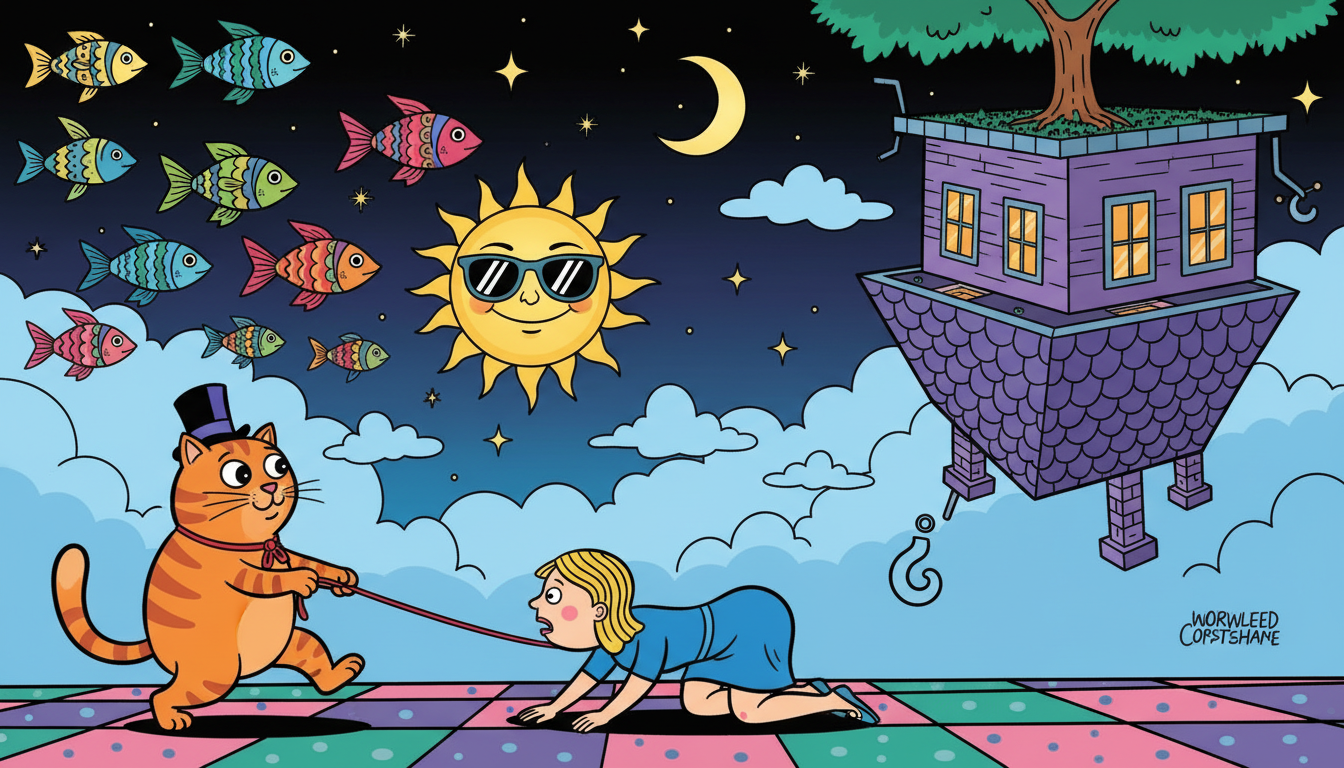
#OppositeDay
Today is not a good day to not celebrate the Opposite Day.
What Does #OppositeDay Mean?
Opposite Day on January 25th is one of those silly holidays that's been around since childhood playgrounds. The concept is simple - say or do the opposite of what you mean. On social media, it's become a chance for brands and creators to flip their usual content on its head for a day.
How to Use #OppositeDay
Create a post where everything is reversed - recommend your "least" favorite things, post an intentionally bad photo, or give the opposite of your usual advice. The humor angle makes this hashtag great for engagement.
#OppositeDay is one of those hashtags that shouldn't work as well as it does. A playground joke from the 1800s turned into an annual social media event every January 25th - and the content it produces is genuinely some of the funniest, most creative stuff you'll see all year.
Where Did Opposite Day Come From?
The concept of "opposite day" has been floating around since at least 1894, when the phrase first appeared in print in a book called "Kids' Stuff" by American author Henry B. Fuller. But the game itself is probably much older than that - generations of school kids have used "opposite day" as a loophole for saying whatever they want and then claiming it didn't count.
There are a couple of presidential connections too. Calvin Coolidge made his famous "I do not choose to run" statement in 1928, which some people retroactively called an Opposite Day move. And in 1959, President Eisenhower jokingly declared August 17th as Opposite Day, though it never became an official observance.
The January 25th date doesn't have a clear origin story. Nobody knows exactly who pinned it to that specific day. But it stuck, and the internet ran with it.
SpongeBob Made It Famous
If there's a single moment that launched Opposite Day into mainstream pop culture, it's the SpongeBob SquarePants episode. The show dedicated an entire episode to the concept, and it became one of the most-referenced episodes in meme culture. That SpongeBob connection gives the hashtag a built-in nostalgia factor that resonates with millennials and Gen Z especially.
Why It Works So Well on Social Media
Opposite Day is basically a built-in content prompt. Brands post the opposite of their usual messaging. Food accounts share terrible cooking. Fitness influencers post themselves eating junk food on the couch. Pet accounts post "I hate my dog" with a photo of them cuddling their dog. The format is endlessly adaptable and almost always funny.
What makes it perform so well is the pattern disruption. People scroll past hundreds of predictable posts every day. When a brand or creator suddenly says the opposite of what you'd expect, it stops the scroll. That surprise factor translates directly into engagement - comments, shares, and saves all spike because people want to tag their friends and join the joke.
Content Ideas That Hit
The simplest format is the caption flip - write the exact opposite of what your photo shows. A stunning sunset captioned "Worst view I've ever seen." A perfect latte art captioned "Terrible morning." A gorgeous outfit captioned "Feeling ugly today." It's low effort but high engagement every time.
Brands can take it further by "announcing" ridiculous products or policy changes. A coffee shop that now only serves lukewarm coffee. A gym that's converting to a nap facility. The more committed you are to the bit, the better it lands.
Pair #OppositeDay with #NationalOppositeDay, #January25, and any niche tags relevant to your content. The humor travels well across communities.