How to Use #SharkAwarenessDay to Make an Impact
July 14th brings #SharkAwarenessDay, and it carries a message most people do not expect - sharks need our help. While pop culture has spent decades casting sharks as villains, the reality is that many species are critically endangered. This hashtag flips the script, turning fear into fascination and driving real conversations about ocean conservation.
Content That Connects on This Day
Myth-Busting Posts
Challenge the stereotypes head-on. Posts that compare shark attack statistics to everyday risks (vending machines, lightning strikes, coconuts) consistently go viral on this day. The gap between perception and reality is so dramatic that people cannot help but share. Back your claims with sources from NOAA or the International Shark Attack File for credibility.
Species Spotlights
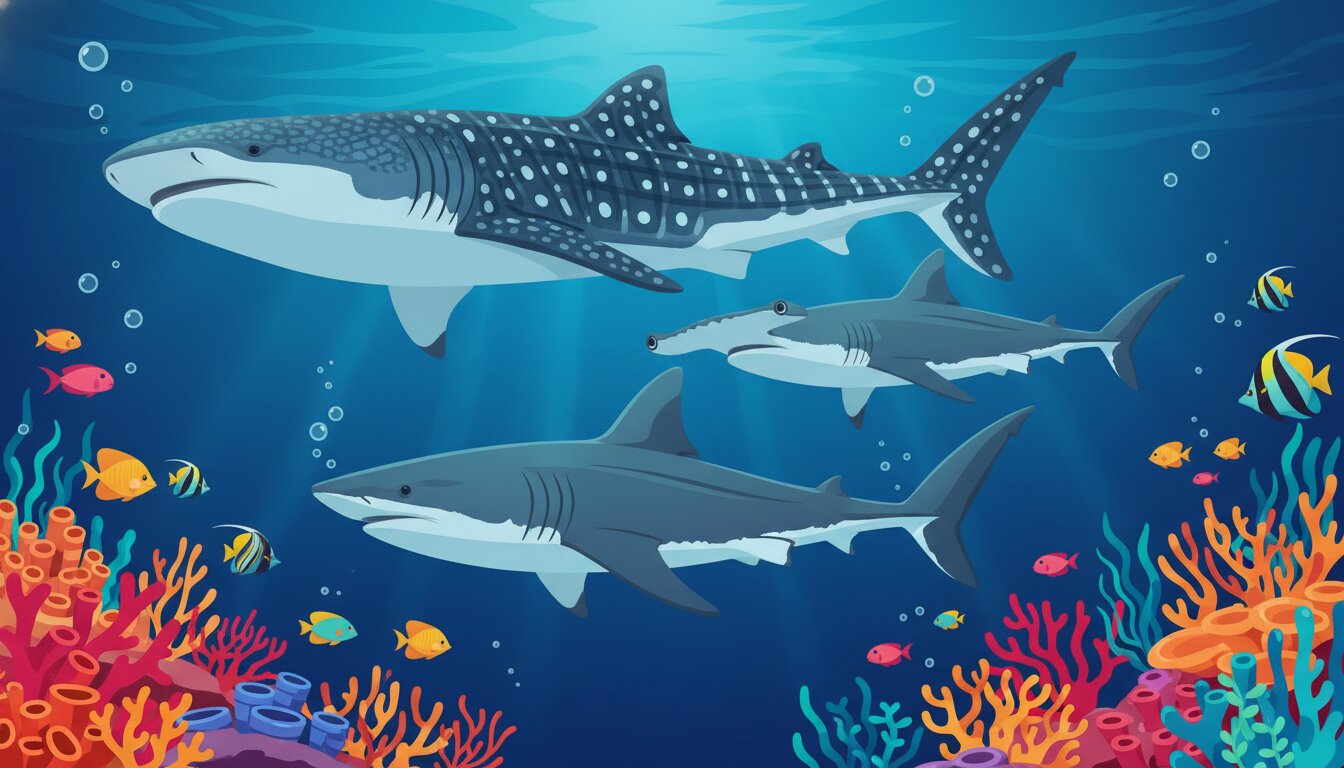
Most people can name maybe three shark species. There are over 500. Introduce your audience to whale sharks, hammerheads, thresher sharks, or the bizarre-looking goblin shark. Each species has a unique story, hunting strategy, and conservation status that makes for compelling content. One species per post works better than trying to cover them all.
Conservation Action Items
Give people something concrete to do. Link to petition campaigns against shark finning. Recommend sustainable seafood guides. Highlight organizations doing fieldwork in shark conservation. Posts that move beyond awareness into action tend to get saved and shared by people who genuinely care about ocean health.
Underwater Photography and Video
Nothing changes minds about sharks faster than beautiful footage. Slow-motion clips of sharks gliding through clear water, close-ups that show their intelligence and grace - this content does the persuasion work without needing a lecture. If you do not have your own footage, share from credited sources like ocean photographers or documentary filmmakers.
Who Benefits Most From This Hashtag
Marine biologists and ocean conservation organizations have the most authority here and should absolutely own this day. But aquariums, scuba diving operations, marine tourism companies, and science educators all have natural angles. Even food brands can participate by promoting shark-free and ocean-sustainable products.
Pairing Strategy
Lead with #SharkAwarenessDay and support it with #SharkConservation, #SaveSharks, #OceanConservation, and #MarineBiology. For visual content, add #UnderwaterPhotography or #OceanLife. If your post is educational, include #MarineScience or #OceanEducation. Avoid pairing with fear-based or joke hashtags - they undermine the conservation message this day is built around.
Platform Tips
TikTok and Instagram Reels are perfect for short shark fact videos and underwater clips - the visual drama of sharks translates naturally to short-form video. Instagram carousel posts work well for myth-busting series or species identification guides. Twitter/X is strong for sharing conservation news and linking to research papers or donation pages. LinkedIn works if you are in marine science, conservation nonprofit work, or sustainable business - frame it around industry impact.