#AmericanEagleDay
A day in honor of the majestic American Eagle, learn a bit about America's mascot today.
What Does #AmericanEagleDay Mean?
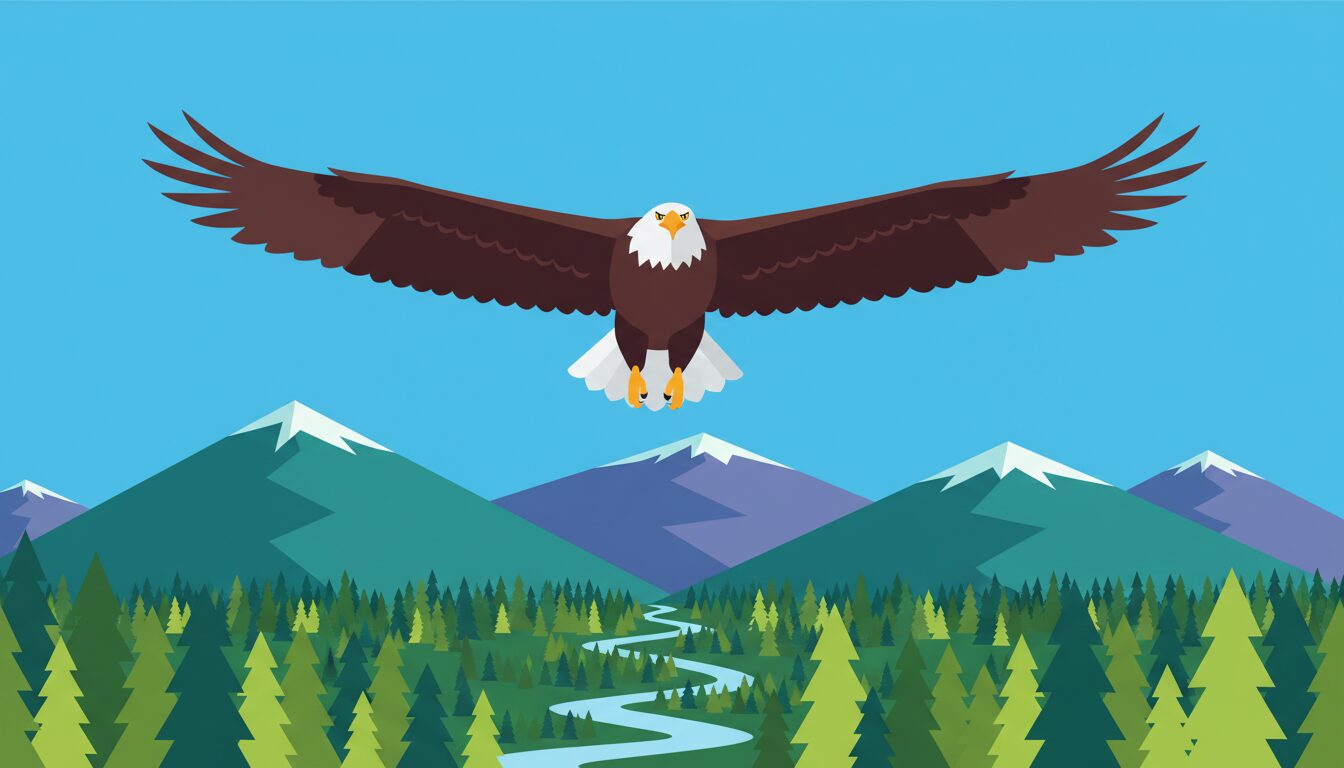
National American Eagle Day on June 20th honors the bald eagle, the national bird and symbol of the United States. Once endangered, the bald eagle made a remarkable comeback thanks to conservation efforts, and this day celebrates that success story.
How to Use #AmericanEagleDay
Post stunning photos of bald eagles, share conservation facts, or highlight organizations working to protect wildlife. Nature photographers love this one.
National American Eagle Day: Celebrating the Comeback of America's Most Famous Bird
On June 20th, National American Eagle Day honors the bald eagle - the bird on the Great Seal, the symbol on every dollar bill, and one of the greatest conservation success stories in American history. This day isn't just about patriotism. It's about what happens when people decide a species is worth saving.
How the Bald Eagle Nearly Disappeared
In the early 1700s, an estimated 100,000 bald eagles lived across North America. By 1963, only 417 nesting pairs remained in the lower 48 states. The decline happened for several reasons, but the biggest was DDT - a pesticide widely used after World War II. DDT accumulated in the food chain and caused eagle eggshells to thin so much that they cracked under the weight of nesting parents. Entire generations of eaglets never hatched.
Habitat loss played a role too. As cities expanded and forests were cleared, eagles lost the tall trees they need for nesting and the clean waterways they depend on for fishing. Illegal hunting thinned the population further, even though bald eagles had technically been protected since the Bald Eagle Protection Act of 1940.
The Comeback Story
The turnaround started when DDT was banned in the United States in 1972. The Endangered Species Act of 1973 gave bald eagles additional federal protection, making it illegal to disturb their nests, hunt them, or destroy their habitat. Wildlife agencies launched captive breeding programs, relocating eagles to areas where they had been wiped out.
It worked. By 2007, bald eagle populations had recovered enough that the U.S. Fish and Wildlife Service removed them from the endangered species list entirely. Today, more than 316,000 bald eagles live in the lower 48 states - a population increase of roughly 750 times since that 1963 low point. Alaska is home to even more, with an estimated 30,000 eagles concentrated around the state's coastline and rivers.
The bald eagle's recovery is often cited as proof that the Endangered Species Act works. When you give a species real legal protection, enforce it, and address the root causes of decline, populations can bounce back in dramatic fashion.
Bald Eagle Facts Worth Sharing
- Bald eagles aren't actually bald. The name comes from "piebald," meaning white-patched. Adults develop their distinctive white head and tail feathers at around 4-5 years old.
- Their wingspan can reach 7.5 feet - wider than most people are tall. Despite that size, they typically weigh only 8-14 pounds because their bones are hollow.
- Eagles mate for life and return to the same nest year after year, adding material each season. The largest recorded bald eagle nest was 9.5 feet wide, 20 feet deep, and weighed nearly 3 tons.
- They can see fish from over a mile away. Their vision is roughly 4-8 times sharper than a human's.
- Bald eagles can fly at speeds up to 100 mph when diving for prey, though their typical cruising speed is around 30-35 mph.
- Benjamin Franklin famously complained about choosing the eagle as the national symbol, calling it "a bird of bad moral character" because it steals food from other birds. He preferred the turkey.
Where to See Bald Eagles
Eagles live near large bodies of open water with old-growth trees nearby. Some of the best spots for eagle watching in the United States:
- Chilkat Bald Eagle Preserve, Alaska - The largest gathering of bald eagles in the world, with up to 4,000 eagles congregating along the Chilkat River from October through February.
- Upper Mississippi River, Iowa/Illinois - Hundreds of eagles winter along the river between November and March. Lock and Dam sites offer great viewing platforms.
- San Juan Islands, Washington - Year-round eagle habitat with nesting pairs visible from hiking trails and kayak routes.
- Conowingo Dam, Maryland - A favorite among wildlife photographers, especially from November through March when eagles gather to fish below the dam.
- Glacier National Park, Montana - Eagles nest throughout the park, with Lake McDonald and the North Fork area being prime viewing spots.
How to Post About It on Social Media
Eagle content does consistently well on social media, especially around patriotic holidays and wildlife awareness days. Here's what works:
- Share a stunning eagle photo - If you've taken one yourself, even better. Wildlife photography gets massive engagement on Instagram. Credit the location and any conservation organization involved.
- Post a conservation fact - The "417 pairs to 316,000" statistic is powerful and shareable. People love comeback stories.
- Highlight a local eagle nest - Many communities have known nesting sites. Share the location (from a safe, legal distance) and tag your state wildlife agency.
- Link to a live eagle cam - Several organizations run 24/7 nest cameras. These get shared heavily, especially when chicks are hatching.
- Support a conservation org - Tag the American Eagle Foundation, National Audubon Society, or your local wildlife rehab center.
Use #AmericanEagleDay and #NationalAmericanEagleDay as your primary tags. Add #BaldEagle, #Wildlife, #Conservation, #NationalSymbol, or #WildlifePhotography depending on your angle. Nature accounts should include #BirdsOfPrey and #Birding for reach into the birding community.
Eagle content works best with strong visuals. If you don't have your own photos, many wildlife photographers share their work under Creative Commons licenses. Always credit the photographer.
Need more hashtags for your wildlife or nature posts? Search our hashtag tool for trending tags in any category, or check out our photography hashtags guide for more ideas.
Quick Info
-
Hashtag#AmericanEagleDay
-
When to PostJune 20th
-
Full GuideAvailable below
Related Hashtags
Find More Hashtags
Search across 830+ curated hashtags