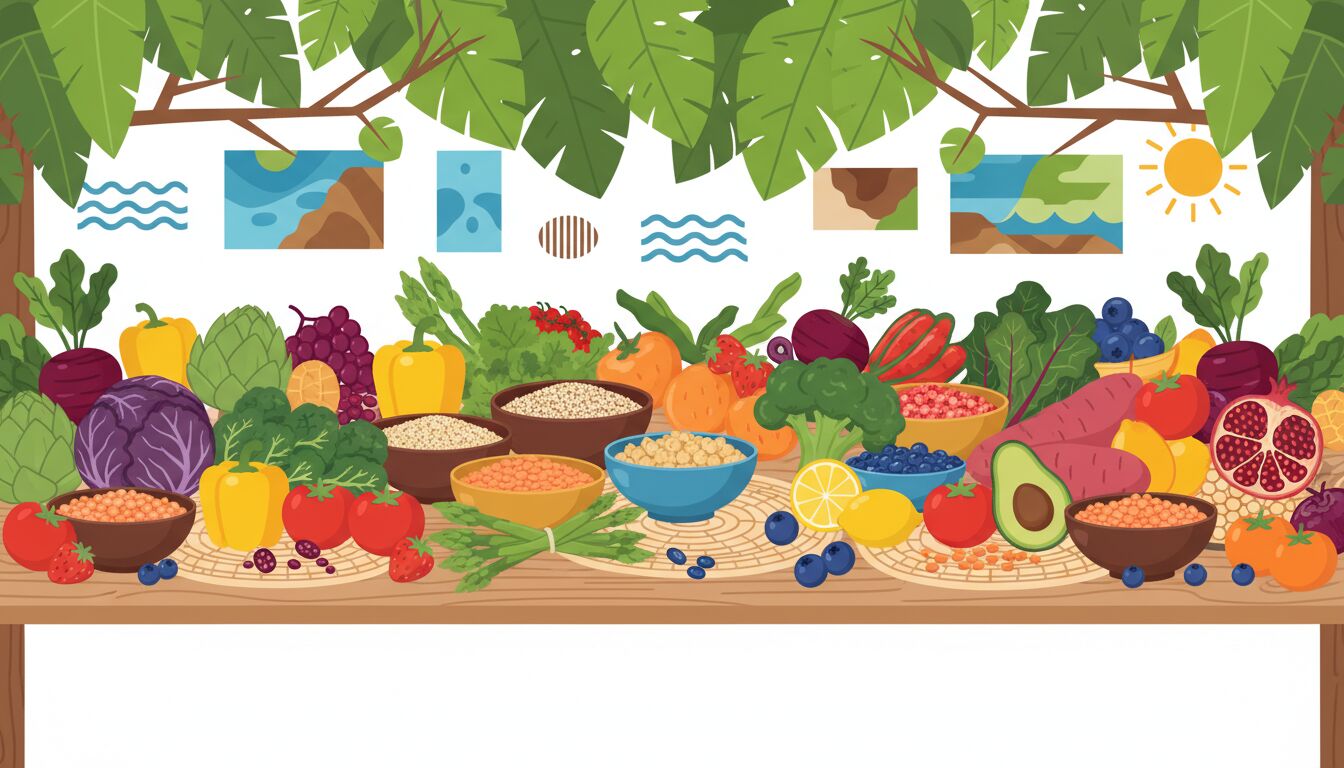
World Meat Free Day: One Day, One Choice, Outsized Impact
#WorldMeatFreeDay hits social media every June 15th with a simple challenge: skip meat for just 24 hours. The campaign started as a grassroots movement to raise awareness about the environmental footprint of meat production and has grown into a global event with participation from restaurants, schools, and major food brands. For content creators in the food, wellness, and sustainability spaces, this hashtag is a goldmine of engagement because it invites action, not just opinions.
The Numbers Behind Meat-Free
The environmental math is hard to argue with. Producing one kilogram of beef requires approximately 15,400 liters of water. By comparison, one kilogram of wheat requires about 1,800 liters. Livestock farming accounts for roughly 14.5% of all global greenhouse gas emissions according to the UN Food and Agriculture Organization - that’s more than the entire transportation sector combined. If every American skipped meat for just one day per week, it would be the equivalent of taking 7.6 million cars off the road annually.
These statistics resonate on social media because they’re concrete and shareable. Infographic-style posts breaking down water usage, carbon emissions, and land use per food type consistently perform well during #WorldMeatFreeDay because they give people a factual reason to participate rather than relying on guilt or moral arguments. Data-driven content gets shared. Preachy content gets scrolled past.
A Brief History of Going Meatless
The concept of abstaining from meat is ancient. Pythagoras advocated vegetarianism in the 6th century BC, and for centuries the term “Pythagorean diet” was used instead of “vegetarian.” The word vegetarian itself didn’t appear until 1839. Religious traditions across Buddhism, Hinduism, and Jainism have practiced various forms of meat abstinence for thousands of years. In the West, the modern vegetarian movement gained momentum in 19th century England before spreading globally.
World Meat Free Day as a campaign launched in the 2010s, riding the wave of growing climate consciousness and the plant-based food revolution. It benefited from perfect timing - just as Beyond Meat and Impossible Foods were making plant-based alternatives that actually tasted good, the hashtag gave people a low-commitment way to try them. The beauty of the campaign is its modesty. It doesn’t ask anyone to become vegan. It asks for one day. That’s a much easier sell.
The Plant-Based Boom
The plant-based food market has exploded over the past decade. In 2023, the global plant-based food market was valued at over $44 billion, with projections to reach $95 billion by 2030. What changed isn’t ideology - it’s technology. Plant-based burgers that actually bleed. Oat milk that froths properly for lattes. Vegan cheese that melts. The products got genuinely good, and that removed the biggest barrier for most people: taste.
This shift shows up in #WorldMeatFreeDay content too. Five years ago, the hashtag was dominated by salads and somewhat apologetic-looking grain bowls. Now it’s full of drool-worthy smash burgers, loaded tacos, and elaborate pasta dishes that happen to be meat-free. The visual quality of plant-based food content has caught up with meat-focused food photography, which matters enormously on platforms like Instagram and TikTok where looks drive engagement.
Health Beyond the Hype
The health case for reducing meat consumption is solid, though more nuanced than headlines suggest. The World Health Organization classifies processed meats (bacon, sausages, hot dogs) as Group 1 carcinogens - the same category as tobacco and asbestos. Red meat is classified as Group 2A, meaning it’s “probably carcinogenic.” Large-scale studies including the Oxford EPIC study and the Adventist Health Study have found that people who eat less meat tend to have lower rates of heart disease, type 2 diabetes, and certain cancers.
But going meat-free isn’t automatically healthier. A diet of potato chips and white bread is technically meat-free. The health benefits come from what you replace meat with - vegetables, legumes, whole grains, nuts, and seeds. This nuance makes for better social media content than absolutist claims. Posts that acknowledge complexity and provide practical guidance (“here’s what I ate instead and how I made sure I got enough protein”) get more trust and engagement than posts that oversimplify.
How #WorldMeatFreeDay Works on Social Media
The hashtag peaks every June 15th but sees activity year-round as part of broader meat-reduction conversations. Food photos dominate - specifically, meals that look appealing enough that nobody would guess they’re meat-free. The most successful posts show what people ate, not what they avoided. Positive framing massively outperforms negative framing on this topic.
For reach, combine #WorldMeatFreeDay with #MeatFreeMonday, #PlantBased, #VeganFood, #Vegetarian, #PlantPowered, and #EatMorePlants. Recipe videos under 60 seconds are the highest-performing format. Show the cooking process, make it look easy, and end with a beauty shot of the finished plate. TikTok and Instagram Reels favor this format heavily. Include the recipe in your caption so people can save the post - saves are a major ranking signal on Instagram.
Social Media Strategy Cards for #WorldMeatFreeDay
For Food Bloggers
Share your absolute best plant-based recipe - the one that converts skeptics. Film a quick Reel showing the cooking process. Make it look effortless and delicious. Drop the full recipe in the caption and watch the saves pile up.
For Restaurants and Cafes
Promote your meat-free menu items with professional photography. Offer a #WorldMeatFreeDay special or discount on plant-based dishes. Feature your chef explaining what makes the dish special - personality-driven content outperforms product shots.
For Sustainability Advocates
Lead with data, not guilt. Share one compelling stat about the environmental impact of meat production and pair it with an actionable suggestion. Infographics showing water usage or carbon footprint comparisons are highly shareable on this day.
For Everyday Users
Take the challenge and document it. What did you eat for breakfast, lunch, and dinner? Be honest about what was easy and what was hard. Authenticity resonates more than perfection. Tag a friend and challenge them to try it too.