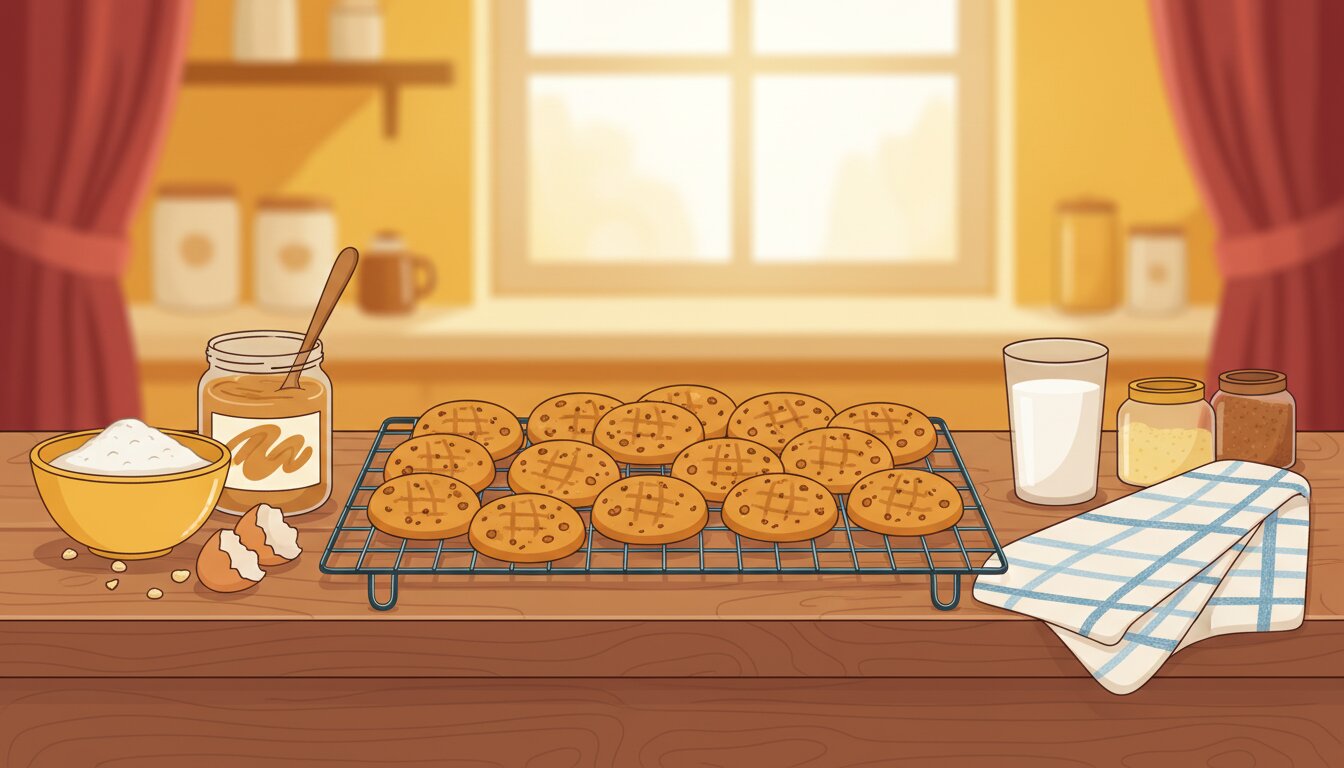
The Humble Peanut Butter Cookie: More Than Meets the Eye
That crosshatch pattern pressed into every peanut butter cookie? It is not just decorative. The fork press serves a real purpose - peanut butter dough is so dense and oily that without flattening, cookies would bake unevenly and stay raw in the center. What started as a practical kitchen hack became one of the most recognizable cookie signatures in American baking.
From Health Food to Cookie Jar Staple
Peanut butter itself was patented in 1895 by Dr. John Harvey Kellogg, who marketed it as a protein source for patients with bad teeth. Early peanut butter was nothing like today's smooth spreads - it was gritty, unsweetened, and considered medicinal. The jump from health food to cookie ingredient happened gradually through the early 1900s as home cooks started experimenting with the affordable pantry staple.
The first published peanut butter cookie recipes appeared in the 1910s and 1920s, but they were drop cookies without the iconic fork marks. The Pillsbury Flour Company's 1933 cookbook likely popularized the crosshatch technique, and by the 1940s it had become standard. The three-ingredient version - one cup each of peanut butter and sugar plus one egg - emerged during wartime rationing when flour and butter were scarce. That stripped-down recipe proved the cookie could stand on its own without wheat flour at all.
Why the Simple Recipe Actually Works
Peanut butter cookies break some fundamental baking rules and somehow come out perfect. Most cookies need flour for structure, but the protein in peanut butter does double duty as both fat and structural binder. The high oil content creates that signature sandy, crumbly texture rather than a chewy one. Sugar does more than sweeten - it creates the crispy edges by caramelizing at high heat, and the egg holds everything together while adding moisture.
Temperature matters more than you might think. Chilling the dough for 30 minutes before baking makes a noticeable difference. Cold dough spreads more slowly in the oven, giving you thicker cookies with better texture. Overbaking is the most common mistake - peanut butter cookies should come out looking slightly underdone because they continue to set as they cool on the pan.
Beyond the Basic Batch
The classic recipe is a starting point, not a limit. Chocolate chips are the obvious addition, but chopped Reese's cups folded into the dough create pockets of melted chocolate and extra peanut butter. A sprinkle of flaky sea salt on top before baking transforms the flavor profile completely - the salt contrast makes the peanut flavor pop. For a chewier cookie, swap white sugar for brown sugar and add a tablespoon of honey.
Some bakers have pushed the concept further. Flourless peanut butter cookies have become a staple in gluten-free baking. Stuffed versions with a whole Oreo or a ball of Nutella inside went viral on social media. And savory riffs using natural peanut butter with less sugar and added spices like cayenne or smoked paprika have found their audience too.