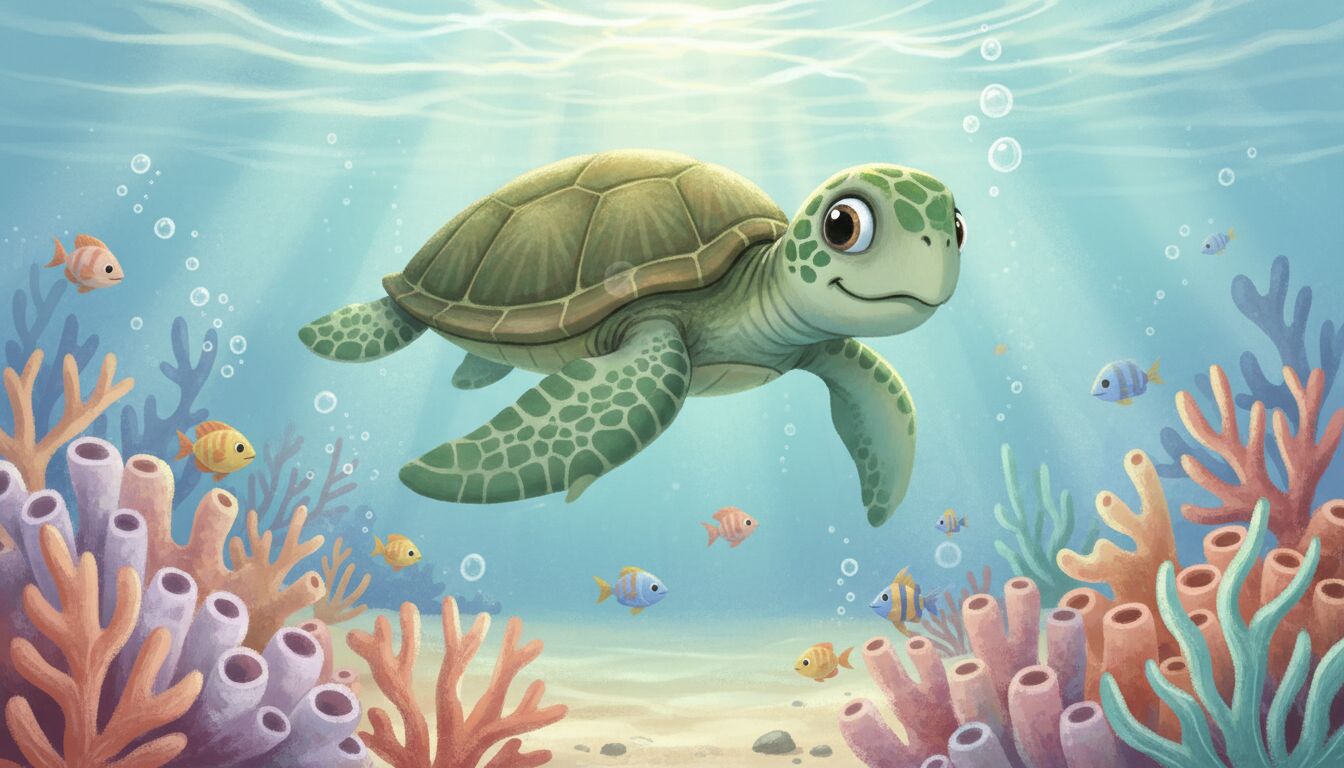
World Turtle Day: Why the Slowest Animals Need the Fastest Action
World Turtle Day falls on May 23, created in 2000 by American Tortoise Rescue to spotlight the conservation challenges facing turtles and tortoises worldwide. The premise is straightforward: these animals have survived for over 200 million years, outlasting the dinosaurs, and now they're disappearing because of us. More than half of the world's 360 turtle and tortoise species are threatened with extinction.
The numbers are sobering when you look at them directly. Sea turtles face threats from fishing nets, plastic pollution, coastal development, and poaching. Freshwater turtles are losing habitat to dam construction and agricultural runoff. Tortoises are collected from the wild for the pet trade at rates their slow reproduction can't sustain. A sea turtle might take 20 to 30 years to reach reproductive maturity, which means every adult lost represents decades of growth that can't be quickly replaced.
The irony is that turtles are genuinely popular animals. They show up in mythology, literature, and popular culture constantly. Aesop gave us the tortoise that beat the hare. Hindu cosmology places the world on the back of a giant turtle. The Teenage Mutant Ninja Turtles taught an entire generation that turtles could be cool. Yet popularity hasn't translated into adequate protection for most species.
What Makes This Hashtag Effective
#WorldTurtleDay and #TurtleDay together generate significant reach every May because they combine two things social media rewards: cute animals and meaningful causes. Turtle content gets reactions because turtles are inherently photogenic — a baby sea turtle heading toward the ocean, a tortoise eating a strawberry, a painted turtle sunning on a log. These images stop scrollers without needing a clever caption.
But the hashtag also carries weight because there is a real conservation message behind it. Accounts that pair an appealing turtle photo with a specific fact or call to action tend to see higher shares than those posting cute photos alone. People want to feel like they're doing something useful when they share, and a post about endangered hawksbill turtles gives them that opportunity.
Content Ideas for World Turtle Day
If you work in wildlife, marine biology, or environmental education, this is one of your biggest content days of the year. Share original photos or videos of turtles in their habitat. Behind-the-scenes content from rescue organizations and rehabilitation centers performs exceptionally well — people love watching a turtle get its shell repaired or a nest of eggs being protected.
For general accounts, a carousel of turtle facts works reliably. Things like: leatherback sea turtles can dive deeper than 1,000 meters; some tortoises can live past 190 years; a turtle's shell is actually part of its skeleton, made up of about 60 bones. Each fact should come with a strong image. Carousels that teach something specific get saved at higher rates than single-image posts.
Brands with no direct connection to wildlife can still participate authentically. "Slow and steady" messaging works for any brand that values patience, quality, or long-term thinking. A craft brewery could post about their slow fermentation process. A financial advisor could talk about the tortoise approach to investing. The metaphor is flexible enough to fit almost any niche without feeling forced.
Making a Real Difference
The most impactful World Turtle Day posts include a specific action people can take. Link to a reputable organization like Sea Turtle Conservancy, Turtle Survival Alliance, or American Tortoise Rescue. Mention that reducing single-use plastic directly helps sea turtles, since they frequently mistake plastic bags for jellyfish. Note that leaving wild turtles where you find them (rather than taking them home) is one of the simplest conservation acts available.
If you live near a coast or wetland, consider organizing or joining a beach cleanup and documenting it under the hashtag. This kind of content — real people doing real things — consistently outperforms stock photos with inspirational text overlays. Social media rewards authenticity, and showing up with a trash bag and a pair of gloves is about as authentic as it gets.