The History and Joy of Lindy Hop
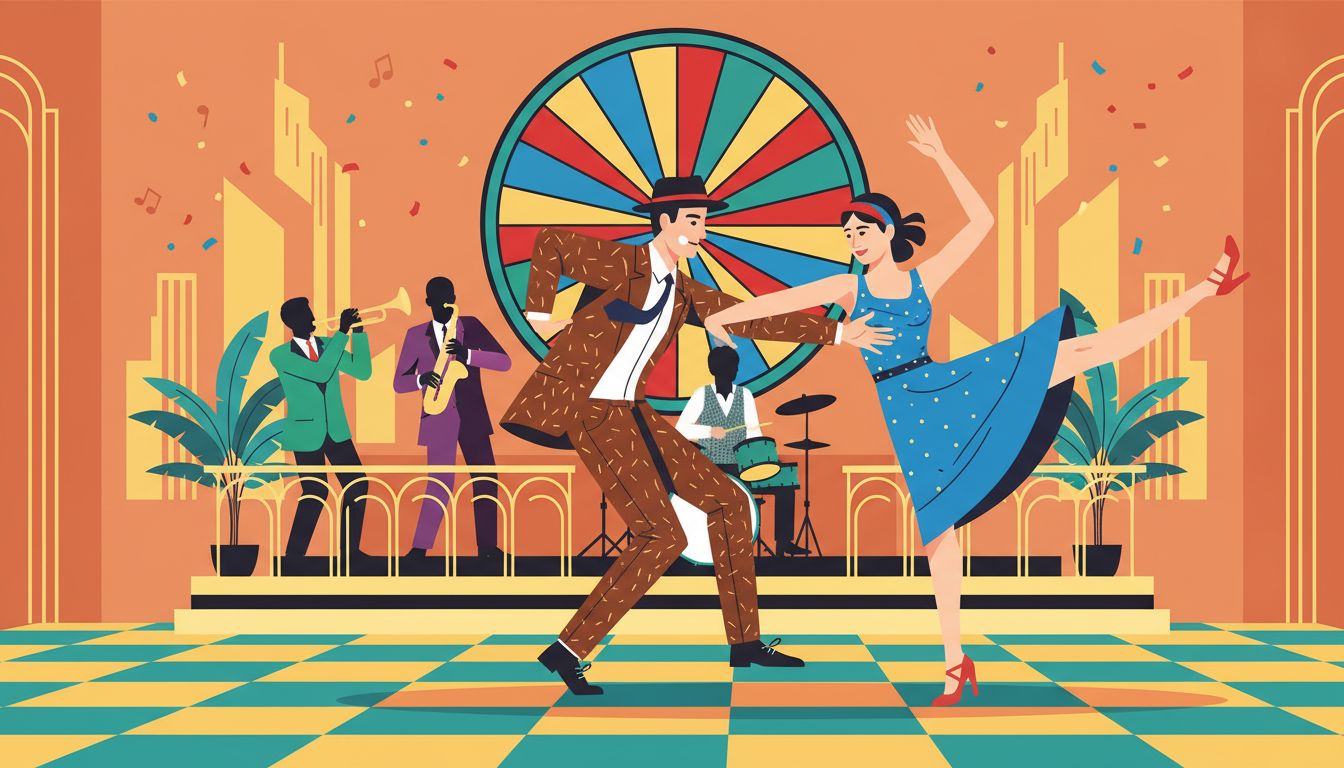
World Lindy Hop Day falls on May 26, honoring a dance that changed American culture forever. Born in the ballrooms of Harlem during the late 1920s, the Lindy Hop blended jazz rhythms with African American vernacular dance to create something explosive, joyful, and completely new.
The name "Lindy Hop" reportedly came from a 1928 newspaper headline about Charles Lindbergh's transatlantic flight - "Lindy Hops the Atlantic." Dancer Shorty George Snowden supposedly referenced the headline when a reporter asked what he was dancing at the Savoy Ballroom. Whether the story is perfectly accurate or slightly embellished, the name stuck.
From Harlem to the World
The Savoy Ballroom in Harlem was ground zero. Unlike most venues of the era, the Savoy was integrated - anyone could dance there regardless of race. This openness fueled creativity. Dancers like Frankie Manning, Norma Miller, and Al Minns developed aerial moves, breakaways, and the improvisational spirit that defines Lindy Hop.
By the 1930s and 40s, Lindy Hop appeared in Hollywood films. Whitey's Lindy Hoppers performed in "Hellzapoppin'" (1941), a clip that still stuns modern viewers with its athleticism and musicality. The dance spread across the US and into Europe through touring performers and American GIs stationed abroad during World War II.
The Revival
Lindy Hop faded during the 1950s and 60s as rock and roll changed dance culture. But in the 1980s, a group of Swedish dancers tracked down original Harlem dancers - including Frankie Manning, who had been working as a postal worker for decades. They invited him to teach, and Manning spent his final years traveling the world, passing on the dance to a new generation.
Today, Lindy Hop communities exist in virtually every major city worldwide. Weekly social dances, weekend workshops, and international exchange events keep the tradition alive. The dance remains rooted in its African American origins while welcoming dancers of all backgrounds.
What Makes Lindy Hop Special
- Connection - Partners communicate through physical connection, not choreography. Every dance is improvised.
- Musicality - Good Lindy Hop reflects the music. Dancers interpret the instruments, hit the breaks, and ride the rhythm.
- Joy - The dance is inherently playful. Smiling is not optional.
- Community - Swing dance scenes are famously welcoming to beginners.
Content Ideas for World Lindy Hop Day
Dance content performs exceptionally well on short-form video platforms. Here is how to use this hashtag effectively:
- Dance videos - Film a social dance, a class clip, or a solo jazz routine. Raw, unpolished clips often outperform produced content.
- Before and after - Show your first week of Lindy Hop vs. now. Transformation content gets massive engagement.
- History posts - Share photos or clips of original dancers. Educating your audience builds authority.
- Event promotion - If your community is hosting a celebration, use the hashtag to attract attendees.
- Music recommendations - Share your favorite swing jazz tracks for dancing. Spotify playlists get shared widely.
Related Hashtags
Pair #LindyHopDay and #WorldLindyHopDay with #SwingDance, #LindyHop, #SwingDancing, #SocialDance, #JazzDance, #VintageDance, and #FrankieManning to reach the full swing dance community online.