The Story Behind National Richter Scale Day
Every April 26, we tip our hats to Charles F. Richter - the physicist who gave the world a way to talk about earthquakes in numbers instead of "that was a big one." Before Richter developed his magnitude scale in 1935, comparing earthquakes was mostly guesswork. His simple logarithmic scale changed everything.
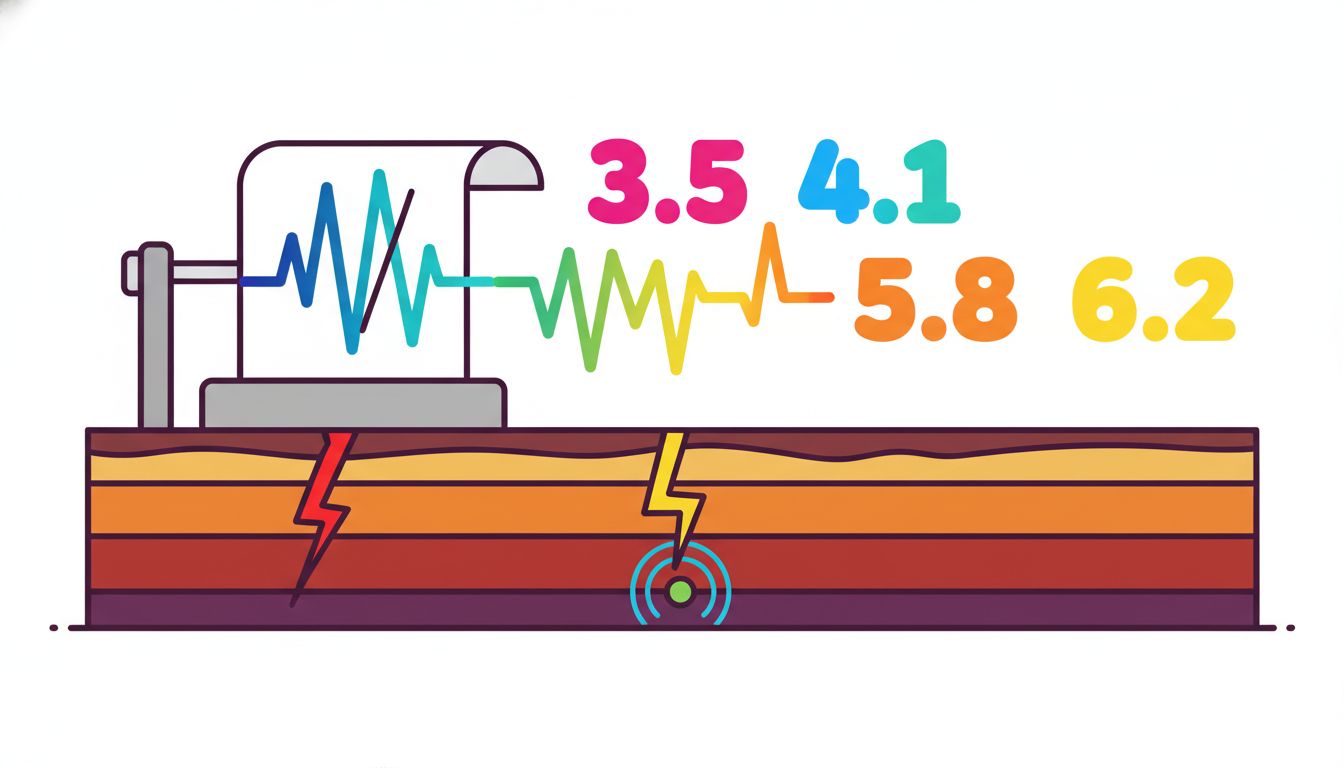
The Richter Scale measures the energy released during an earthquake on a scale from 1 to 10 (though no recorded quake has ever hit 10). Each whole number increase represents roughly 31.6 times more energy. So a magnitude 6 earthquake releases about 31 times more energy than a magnitude 5 - not just one notch stronger, but dramatically more powerful.
What Makes This Hashtag Work on Social Media
Science content performs surprisingly well on social platforms when packaged right. National Richter Scale Day gives you a hook to share earthquake facts, survival preparedness tips, or spotlight seismologists doing critical research. Educational pages, science communicators, and emergency preparedness accounts all benefit from this one.
Try posting a "Did You Know?" fact about the biggest earthquakes in history, or create a simple infographic showing what different magnitudes feel like. Content that makes complex science accessible always gets engagement.
Content Ideas for #NationalRichterScaleDay
- Share a timeline of the most significant earthquakes and their magnitudes
- Post earthquake preparedness tips - what to keep in a go-bag, how to secure furniture
- Highlight the difference between the Richter Scale and the Moment Magnitude Scale (which replaced it for large quakes)
- Feature Charles Richter himself - his quirky personality and dedication to seismology
- Create a "How would your city handle it?" scenario post based on historical earthquake data
Best Platforms and Pairing Hashtags
This hashtag works best on Twitter/X and Instagram where educational content thrives. Pair it with #Earthquake, #Science, #Seismology, #EarthquakePreparedness, and #STEM for wider reach. On TikTok, short videos explaining magnitude differences or showing earthquake simulations can gain traction fast.
Science teachers, museums, and geology departments should absolutely be using this day to boost visibility. It is a niche holiday but the audience that cares about it is loyal and engaged.