What Is National Rice Ball Day?
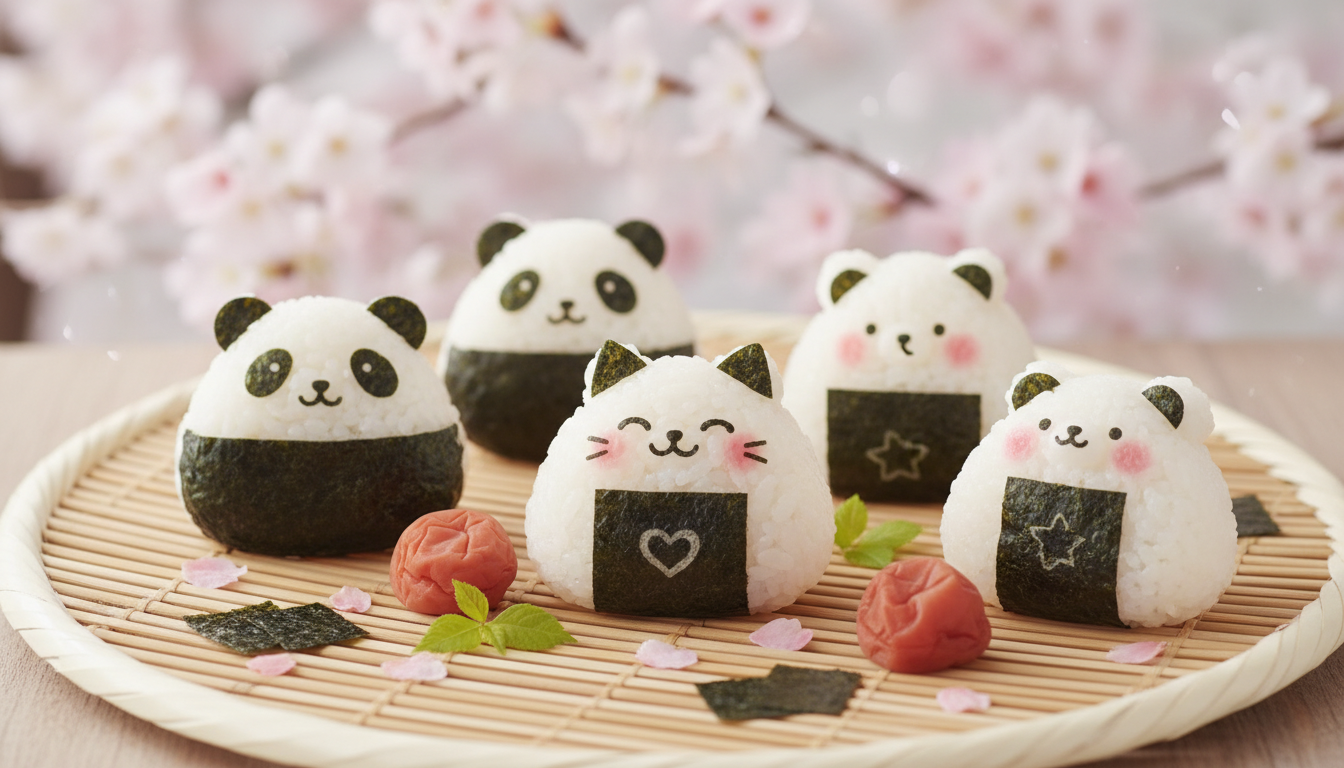
National Rice Ball Day lands on April 19th and celebrates one of the most portable, versatile foods ever invented. The star of the show is the Japanese onigiri - a triangle or cylinder of seasoned rice, usually wrapped in nori seaweed, with a filling tucked inside. But rice balls exist across dozens of cultures, from Italian arancini (deep-fried and stuffed with ragu) to Filipino champorado rice balls to Korean jumeokbap packed with sesame and vegetables.
Onigiri alone is a massive industry in Japan. Convenience stores like 7-Eleven, Lawson, and FamilyMart sell billions of them every year, with new seasonal flavors rotating constantly. The fillings range from traditional umeboshi (pickled plum) and salmon to more adventurous options like tuna mayo, mentaiko (spicy cod roe), and even curry. What makes onigiri so enduring is its perfect simplicity - rice, salt, filling, seaweed. That is the whole formula.
A Brief History of Rice Balls
Rice balls date back over a thousand years in Japan. The earliest references appear in the Heian period (794-1185), when they were called tonjiki and carried by soldiers and travelers as portable meals. Samurai packed them for campaigns because they stayed edible for days and required no utensils.
The modern convenience store onigiri took off in the 1970s and 1980s when Japanese konbini chains figured out the nori packaging problem - they developed a plastic wrapper that keeps the seaweed separate from the rice until you are ready to eat, so it stays crisp. That small engineering breakthrough turned onigiri into a grab-and-go phenomenon. Today you can find onigiri in convenience stores from Tokyo to Los Angeles, and the format has inspired rice ball shops and food trucks worldwide.
Rice Balls Around the World
While Japan gets most of the credit, rice balls show up in food cultures across the globe. Italian arancini are breaded and deep-fried balls of risotto, typically stuffed with meat sauce, mozzarella, or peas - a Sicilian street food staple. Korean jumeokbap mixes rice with sesame oil, seaweed flakes, and whatever vegetables are on hand, then shapes it into small rounds. In parts of West Africa, rice is formed into balls and served alongside soups and stews as the starch component of a meal.
The common thread is practical genius. Rice sticks together naturally when cooked, making it one of the easiest grains to shape by hand. Add a filling, wrap it in something, and you have a complete meal that fits in your palm.
Content Ideas for Social Media
Rice ball content performs well because the food is photogenic, the making process is satisfying to watch, and there is a huge audience of food lovers and home cooks on every platform. Here are angles worth trying:
- Step-by-step onigiri tutorial - Film yourself making onigiri from scratch. The hand-shaping technique looks easy but has a learning curve, which makes it perfect for how-to content. Show the wet hands, the salt, the gentle pressing.
- Filling taste test - Buy or make several varieties with different fillings and rank them on camera. Comparison content gets strong engagement because people love debating their favorites.
- Convenience store onigiri haul - If you have access to a Japanese grocery store or konbini, do a haul and review video. Unwrapping the tri-fold nori packaging is oddly satisfying content on its own.
- Global rice ball roundup - Show the differences between onigiri, arancini, jumeokbap, and other regional variations. Educational food content does well on Instagram carousels and TikTok.
- Meal prep content - Rice balls are ideal meal prep food. Show how to batch-make a week's worth of onigiri with different fillings and store them for grab-and-go lunches.
Tips by Platform
Instagram: Overhead shots of rice balls arranged on a plate or bento box look incredible here. The contrast of white rice, dark nori, and colorful fillings makes for a naturally appealing image. Use #RiceBallDay alongside food photography tags like #Onigiri, #JapaneseFood, and #HomeCooking.
TikTok: The onigiri-making process is tailor-made for short video. Film from above as you shape the rice in your hands - the ASMR quality of the rice pressing and the visual transformation from loose rice to neat triangle is genuinely satisfying. Speed it up or keep it real-time, both formats work.
Facebook: Recipe posts with clear instructions get shared heavily on Facebook. Write out your favorite rice ball recipe with a good photo and watch it circulate through food groups and cooking communities.
X (Twitter): Lead with a fun fact - like the billions of onigiri sold annually in Japan, or the fact that rice balls predate sushi by centuries. Quick, surprising food facts get retweeted and quoted.