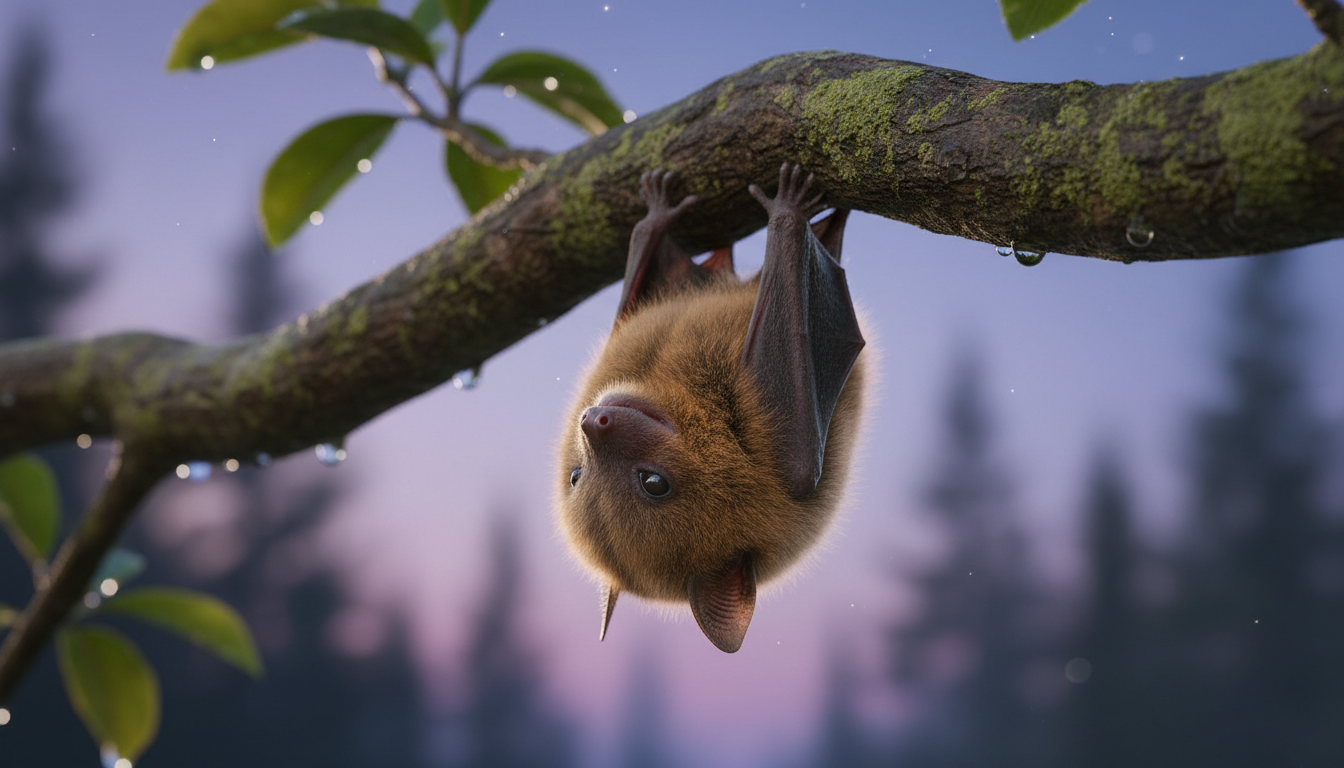
The Surprising World of Bats: Why #BatAppreciationDay Matters
Most people hear "bat" and think of horror movies or vampire legends. But bats are among the most misunderstood animals on the planet — and one of the most important. National Bat Appreciation Day, celebrated every April 17th, is a chance to set the record straight and give these nocturnal creatures the credit they deserve.
Why Bats Actually Matter
There are over 1,400 species of bats worldwide, making them the second-largest order of mammals after rodents. They live on every continent except Antarctica, and they quietly perform jobs that keep entire ecosystems running.
Insect-eating bats consume massive quantities of mosquitoes, moths, and agricultural pests every single night. A single little brown bat can eat up to 1,000 mosquito-sized insects in an hour. Multiply that by millions of bats, and you get a natural pest control system worth billions of dollars annually to farmers in the U.S. alone.
Fruit bats and nectar bats are critical pollinators and seed dispersers in tropical forests. Without them, we would lose agave (no tequila), bananas, mangoes, and hundreds of other plants that depend on bat pollination. Some bat species are the sole pollinators for certain plants — if the bats disappear, those plants go with them.
Busting the Biggest Bat Myths
"Bats are blind." Not even close. All bats can see, and many fruit bats have excellent vision. Echolocation is an additional sense, not a replacement for sight.
"Bats get tangled in your hair." Bats have sophisticated sonar navigation. They are not crashing into anything, especially not your head. They sometimes swoop near people because they are chasing the insects that hover around us.
"All bats carry rabies." Less than 1% of bats carry rabies. You should still never handle a wild bat (or any wild animal), but the vast majority of bats are perfectly healthy.
Content Ideas for #BatAppreciationDay
- Myth-busting carousel: Create slides debunking common bat myths with fun illustrations. Educational content gets shared widely.
- Bat facts reel: Quick-cut video of surprising bat facts — their speed, lifespan (some live 40+ years), and the sheer number of insects they eat nightly.
- Local bat species spotlight: Research what bat species live in your area and share photos or facts about them. Local wildlife content resonates with community-focused audiences.
- Conservation call-to-action: Share how people can help bats — installing bat houses, reducing light pollution, supporting habitat conservation organizations.
- Behind-the-scenes at a bat sanctuary: If you have access to a wildlife rescue or bat conservation center, document a visit. Authentic footage outperforms stock content every time.
Platform Strategies
Instagram: Carousels and Reels perform best. A myth-busting carousel with bold text overlays and bat photos will get saves and shares. Use #BatAppreciationDay, #BatAppreciation, #NationalBatAppreciationDay, plus broader tags like #WildlifeConservation and #NaturePhotography.
TikTok: Short educational videos thrive here. "Things you didn’t know about bats" with a trending sound is a proven format. The surprise factor of bat facts naturally holds attention.
X (Twitter): Thread format works great — "A thread on why bats are actually incredible" with one fact per tweet. Add photos to boost engagement.
Facebook: Share a photo with a long-form caption telling a story about bats. Facebook groups focused on wildlife, gardening, and ecology are good places to engage.
Best Timing
Start posting the evening of April 16th or early morning April 17th. Bat content has a natural hook around sunset and evening hours, so scheduling posts for late afternoon works well thematically. The hashtag peaks on April 17th itself but wildlife and conservation accounts often extend content through the weekend.
Related Hashtags to Pair With
Combine #BatAppreciationDay with #WildlifeConservation, #Bats, #BatConservation, #NocturnalAnimals, #WildlifePhotography, #NatureLovers, and #ProtectWildlife to expand your reach beyond the holiday-specific audience.