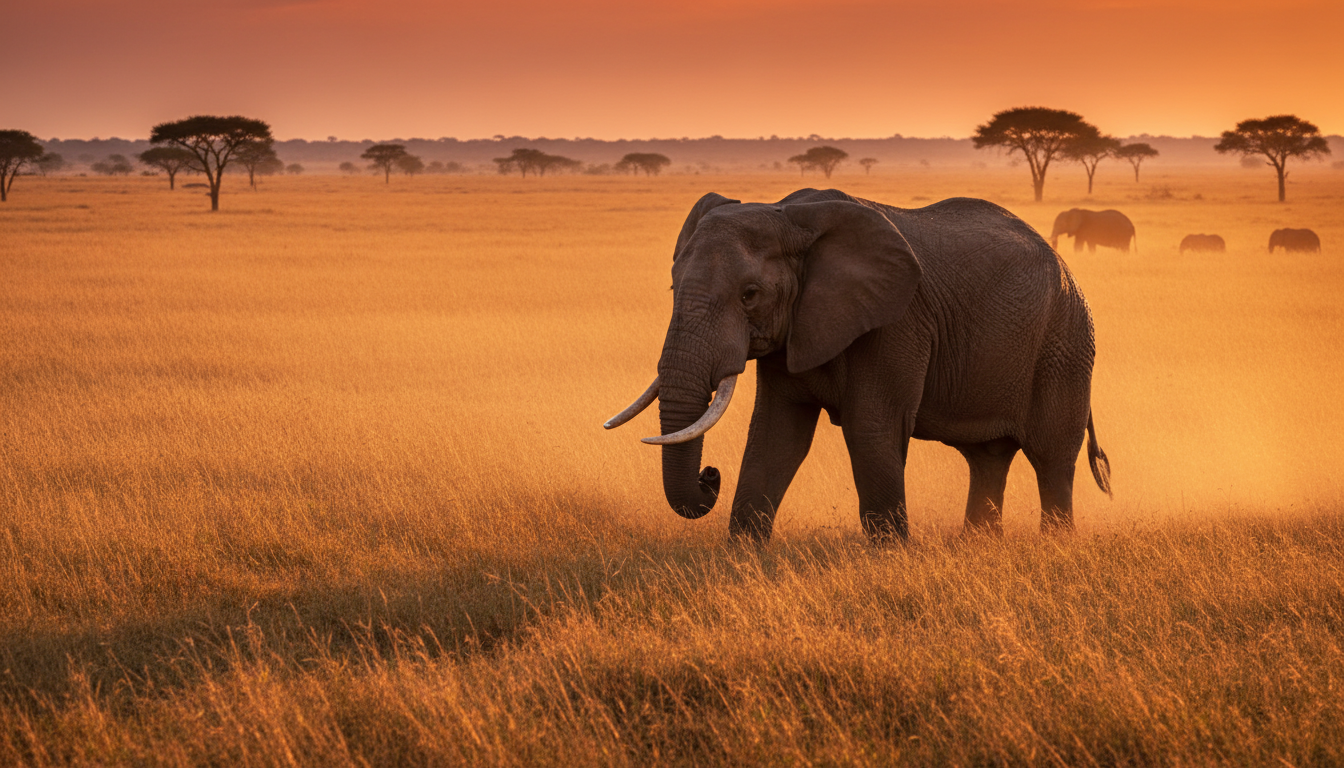
The Complete Guide to #SaveTheElephants
Save The Elephants Day on April 16th isn't just another awareness hashtag that trends for a few hours and disappears. This one carries real weight. African elephant populations have dropped by more than 60% in the past fifty years, and Asian elephants are classified as endangered. When you use this hashtag, you're tapping into a global conversation about conservation that people genuinely care about - and that means your content needs to match that seriousness.
Why This Hashtag Drives Engagement
Elephants are one of those universal animals. Almost nobody scrolls past an elephant photo without pausing. They're intelligent, emotionally complex, and photogenic in a way that makes even amateur wildlife photography look compelling. But the real power of this hashtag isn't cute animal content - it's the urgency. When people learn that an elephant is killed by poachers roughly every 15 minutes, they feel compelled to share, comment, and act. That emotional response is what drives organic reach.
Content Ideas That Work
Fact-Based Storytelling. Share a single striking fact paired with a powerful image. "Elephants mourn their dead and return to the bones of lost family members years later" hits harder than a generic "save the elephants" graphic. One fact, one image, one emotional punch - that's the formula.
Conservation Spotlights. Profile a specific organization doing the work - Save the Elephants, the David Sheldrick Wildlife Trust, the World Wildlife Fund, or smaller regional groups. Link directly to their donation pages. Audiences trust creators who point them toward action rather than just awareness.
Before and After Recovery Stories. Rescued elephant calves that have grown into healthy adults make incredible content. People love comeback stories, and showing a tangible result of conservation work proves that donations and awareness actually lead somewhere.
The Ivory Trade Explained. Many people know poaching is bad but don't understand the economics driving it. A short explainer video or carousel post about how the ivory trade works, which countries are involved, and what's being done to stop it gives your audience something they can share as an educational resource.
Support Without Travel. Not everyone can visit a sanctuary. Create content about how people can help from home - symbolic adoptions, monthly donations, ethical shopping (avoiding ivory products), and pressuring elected officials on wildlife trafficking laws.
Platform Strategy
Instagram: Stunning wildlife photography paired with educational captions does extremely well. Carousel posts that tell a story across multiple slides - "The life of an orphaned elephant calf" - get high save rates. Reels showing elephants in the wild with emotional music consistently go viral.
TikTok: Short-form educational content is the move. "Things you didn't know about elephants" series, reaction videos to conservation footage, and duets with wildlife photographers all perform well. Keep it under 60 seconds and lead with the most surprising fact.
X/Twitter: Thread format works perfectly here. A 5-tweet thread breaking down the current state of elephant conservation, with stats and linked sources, gets shared by journalists and wildlife organizations who amplify your reach.
YouTube: Longer documentary-style content about visiting an elephant sanctuary or interviewing conservationists has a long shelf life. These videos continue getting views for years because the topic stays relevant.
What to Avoid
Don't use graphic images of poached elephants. The shock value might get clicks but it traumatizes your audience and makes them unfollow rather than engage. Focus on hope and action instead of despair. Also avoid using this hashtag to promote products unless a genuine portion of proceeds goes to elephant conservation - people will call out performative activism immediately.
Best Timing
Start posting a few days before April 16th to build momentum. On the day itself, post in the morning when people are scrolling fresh. Conservation content has a longer engagement window than most holiday hashtags because people share it throughout the week, so don't worry if your post doesn't peak immediately.
Related Hashtags to Pair With
#SaveTheElephants #SaveTheElephantsDay #ElephantConservation #WildlifeConservation #StopPoaching #EndIvoryTrade #ElephantLove #Elephants #ProtectWildlife #Conservation #WildlifePhotography #EndangeredSpecies