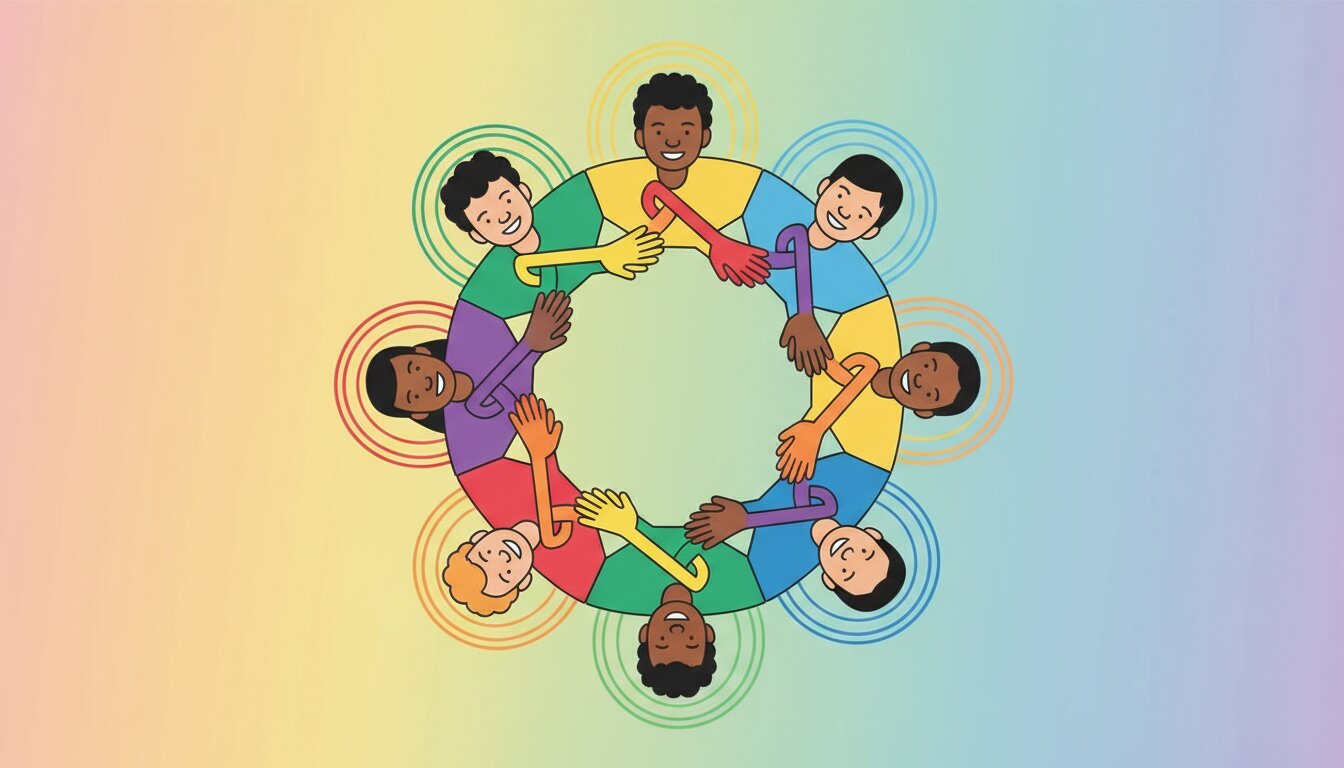
Understanding Autism Awareness Day
World Autism Awareness Day happens every April 2nd and kicks off Autism Acceptance Month. The United Nations established the day in 2007 to increase understanding of autism spectrum disorder and promote acceptance of autistic individuals worldwide. Over the years, the conversation has shifted from pure "awareness" toward genuine acceptance and inclusion.
Three hashtags cover this day - #AutismAwarenessDay, #WorldAutismAwarenessDay, and #WorldAutismDay. Using all three (or picking the one your audience connects with most) helps your content reach more people across different parts of the conversation.
Why the Language Matters
If you're creating content around this day, know that language choices matter a lot to the autism community. Many autistic adults prefer identity-first language ("autistic person") over person-first ("person with autism"). The shift from "awareness" to "acceptance" is also significant - awareness implies people don't know autism exists, while acceptance acknowledges autistic people and works toward real inclusion.
Also worth noting: many in the autistic community have moved away from the puzzle piece symbol and the color blue (associated with Autism Speaks, which is controversial within the community). The rainbow infinity symbol and the color gold have become preferred by many autistic self-advocates. Doing a bit of homework here shows your audience you actually care.
Best Hashtag Combinations
Pair your primary hashtag with these for wider reach:
- #AutismAcceptance #AutismAcceptanceMonth - The preferred framing by the autistic community
- #ActuallyAutistic - Created by and for autistic people; use respectfully
- #Neurodiversity #Neurodivergent - Broader inclusivity movement
- #AutismInclusion - Focuses on actionable change
- #ASD #AutismSpectrum - Clinical/educational content
- #LightItUpGold - The autistic community's alternative to "Light It Up Blue"
Platform Tips
Instagram: Infographics about autism facts and myths perform really well. Carousel posts explaining sensory experiences or daily life from an autistic perspective get high saves and shares. Always use image descriptions for accessibility.
TikTok: Autistic creators have built huge followings sharing their experiences. Duet or stitch their content (with credit) to amplify autistic voices rather than speaking over them. Educational content about masking, stimming, and sensory processing resonates strongly.
Twitter/X: Thread format works great for sharing resources, personal stories, or myth-busting. Retweet and amplify autistic voices. The hashtag trends heavily on April 2nd.
LinkedIn: Posts about neurodiversity in the workplace get solid engagement. Share how companies can build genuinely inclusive environments, not just performative awareness campaigns.
Content Ideas That Work
- Amplify content created by autistic people rather than making your own "about" them
- Share practical tips for making events, workplaces, or social spaces more autism-friendly
- Create sensory-friendly content (avoid flashing lights, loud audio, or overwhelming visuals)
- Highlight autistic artists, entrepreneurs, scientists, and creators
- Share book or media recommendations by autistic authors
- Post about communication styles and how to be a better ally
The most effective #AutismAwarenessDay content centers autistic voices and moves beyond surface-level awareness into concrete actions. Listen to the community, amplify their message, and focus on acceptance over awareness. Your audience will notice the difference.